

Did you know that over 12 million tons of furniture are discarded in North America each year, and 80% of it ends up in the trash? On Vancouver Island, disposing of a heavy couch at the CVRD recycling centre costs $330 per tonne as of November 2025, making it a costly problem for many homeowners. If you're currently staring at a bulky sofa or a heavy dining set, you're likely wondering what to do with unwanted furniture without hurting your back or breaking local bylaws. It's a common struggle when you don't have a large truck or the extra hands to move these items safely.
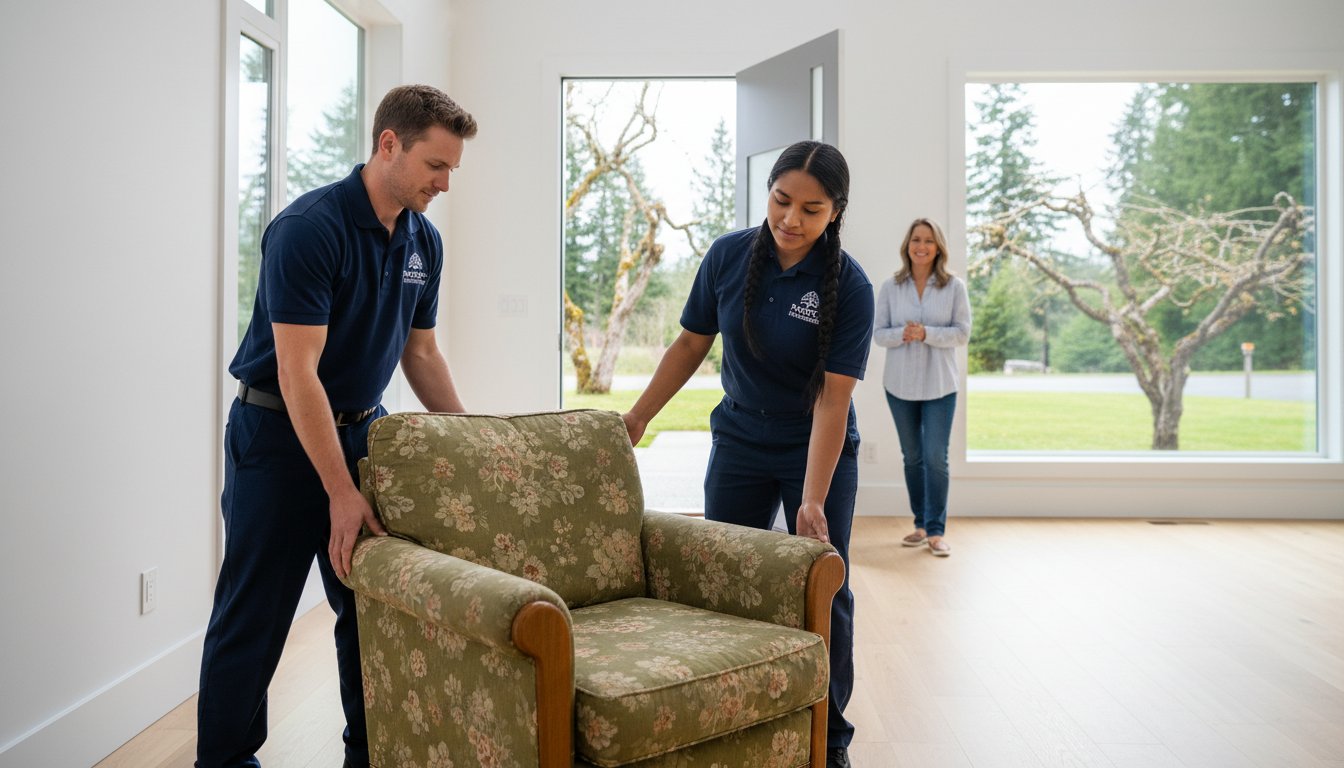
Once you've decided what to do with unwanted furniture, the physical work begins. Moving a heavy armoire or a sectional sofa isn't just about strength; it's about strategy. Many people underestimate the weight and end up with a pulled muscle or a hole in the drywall. While a "DIY" approach might seem like a way to save money, the risk of injury or property damage is high. Professional Furniture Removal specialists like Kaba Junk Removal & Moving Services use specific tools for a reason. Furniture dollies and lifting straps distribute weight safely, while moving blankets prevent unsightly scratches on your floors and walls. Without these, you're risking expensive repairs to your home that far outweigh the cost of help.
How to Decide What to Do with Your Unwanted Furniture
To better understand this concept, watch this helpful video:
Is Your Furniture Still Usable?
The Environmental Impact of Your Choice
Choosing the right disposal method matters for our local environment. In North America, over 10 million tons of furniture waste are generated annually, and about 80% of that ends up in landfills. Most furniture is classified as bulky waste, which takes up massive amounts of space and is difficult to compress. By extending the life of wood and metal items through resale or donation, you're helping reduce the strain on the Regional District of Nanaimo's facilities. Local disposal is always better than long-distance hauling, as it reduces carbon emissions and keeps our Vancouver Island communities clean.
Donating and Selling Furniture in the Nanaimo and Duncan Areas
Finding what to do with unwanted furniture in the mid-island region is easier when you know which organizations are actually looking for inventory. Many residents in Nanaimo and Duncan prefer to see their items go to a good cause rather than the landfill. Before you load up the truck, always call ahead. Charities have strict quality standards; if an item is torn, stained, or broken, they will likely turn it away at the door. Prepping your furniture with a quick vacuum or a wipe-down increases the chances of it being accepted. It also shows respect for the volunteers who handle these items.
If your items don't meet donation standards or fail to sell, you don't have to struggle with the logistics alone. A reliable junk removal service can step in to clear the space quickly and safely. This is often the most efficient path when you are on a tight timeline or lack the physical strength to move heavy dressers and sofas.
Where to Donate: Local Non-Profits and Charities
Habitat for Humanity Mid-Vancouver Island is a primary resource for furniture in good condition. They operate ReStores in both Nanaimo and Duncan and offer free curbside pick-up for qualifying items. To arrange a pickup in Nanaimo, call 250-758-8078 ext 109. For the Duncan ReStore, reach them at 778-455-1888. They generally accept furniture and appliances under 10 years old, but they do not accept mattresses or damaged goods. Smaller thrift shops in Ladysmith and Cedar also support community programs, though their space for large items is often limited. If you are unsure where to take a specific piece, the Recyclepedia tool is a practical way to find local recycling and donation hubs across BC.
Selling Your Items for Extra Cash
Recycling Furniture and Responsible Disposal Options
Materials That Can Be Recycled
Local Landfill and Transfer Station Guide
If you're hauling items yourself, you need to know the specific rules for your area. In Nanaimo, the regional landfill on Cedar Road is the primary hub for disposal. Their municipal solid waste fee is $160 per tonne as of April 2026, but they apply a $25 surcharge for mattresses, box springs, and hide-a-beds. If you live in the Cowichan Valley, you'll likely use the Bings Creek or Peerless Road drop-off centers. These facilities are designed to be efficient, but they have strict rules about how you must sort your load before arriving at the scale. Being prepared with a sorted trailer can save you time and money during the drop-off process. For larger facilities that manage the logistics of bulk recycling, Jealco International, Inc. provides the industrial power transmission components and material handling systems necessary to keep operations running at peak efficiency.
The Challenges of Moving Large Furniture (And How to Avoid Them)
Once you've decided what to do with unwanted furniture, the physical work begins. Moving a heavy armoire or a sectional sofa isn't just about strength; it's about strategy. Many people underestimate the weight and end up with a pulled muscle or a hole in the drywall. While a "DIY" approach might seem like a way to save money, the risk of injury or property damage is high. Professional movers use specific tools for a reason. Furniture dollies and lifting straps distribute weight safely, while moving blankets prevent unsightly scratches on your floors and walls. Without these, you're risking expensive repairs to your home that far outweigh the cost of help.
Planning the route is just as important as the lift itself. Always measure your doorways, stairwells, and hallways before you start. It's frustrating to get a heavy couch halfway down a hall only to realize it won't clear a tight corner. You should also consider the logistics of transport. Renting a truck might seem like a bargain at a low daily rate, but the hidden costs add up quickly. Once you factor in mileage fees, fuel, and mandatory insurance, a single afternoon of hauling can become quite expensive. If the risk of injury or property damage feels too high, booking a professional junk removal service is the most reliable way to clear your home without the stress.
Safe Lifting Techniques for Heavy Items
Safety starts with your stance. Always lift with your legs, not your back, by keeping your feet shoulder-width apart and your chest up. Never twist your body while carrying a heavy load; instead, pivot with your feet. Before you even touch the furniture, ensure your pathway is completely clear of rugs, toys, or debris. This prevents trips and falls that can lead to serious injury. Most importantly, recognize when an item is too heavy for two people. If you feel any sharp pain or if the item is shifting uncontrollably, stop immediately. It's not worth a long-term injury just to move a dresser.
Protecting Your Home During Removal
Your home's surfaces are vulnerable during a move. Hardwood and tile floors can scratch easily if a heavy item is dragged even a few inches. Use felt pads or cardboard sliders to glide furniture across hard surfaces safely. Corner protectors are also essential for preventing dents in drywall as you navigate tight spaces. If a piece of furniture is too bulky, try disassembling it first. Removing legs from tables or taking drawers out of desks makes the items much lighter and more manageable. This extra step takes a few minutes but significantly reduces the chance of hitting a door frame or scratching a wall during the process.
Professional Junk Removal: The Easiest Way to Clear Your Space
Choosing a local team that is Certified & Fully Insured offers peace of mind that a casual helper simply can't provide. We prioritize safety in every job we handle. This means your walls and floors stay protected while we navigate bulky items out of your home. Instead of spending your Saturday waiting in line at the Bings Creek or Nanaimo landfill, you can focus on your move or renovation while we handle the logistics. We take pride in being a hardworking, no-nonsense business that gets the job done without hassle, reflecting the same dedication to quality seen at RPS Building Services within the commercial cleaning sector.
Why Choose JBM for Your Furniture Removal?
What to Expect During Your Free Consultation
Getting started is a straightforward and professional process. When you schedule your junk removal, we provide a free consultation to assess the scope of your project. This is particularly helpful for those facing strict moving deadlines or managing a large-scale renovation. We offer quick turnarounds to keep your project on track. Our professional approach applies to both residential homes and local businesses, providing property maintenance services you can trust. By choosing a professional team, you avoid the physical strain and the headache of local tipping fees, leaving you with a clean space and total confidence that your items were disposed of legally and ethically.
Take the Stress Out of Your Furniture Disposal
If the task feels too large to handle alone, our team of local Nanaimo and Duncan experts is ready to help. We provide reliable and efficient service that keeps your home clean and your schedule on track. As a certified and fully insured business, we handle every item with precision and care. Get a Free Estimate for Your Furniture Removal Today and let us do the heavy lifting for you. You deserve a clear, organized home without the extra work.
Frequently Asked Questions
Will charities pick up my unwanted furniture for free?
Yes, local charities like Habitat for Humanity Mid-Vancouver Island offer free curbside pick-up for items in good condition. You can call the Nanaimo ReStore at 250-758-8078 or the Duncan location at 778-455-1888 to schedule a time. They typically accept furniture and appliances under 10 years old. However, they won't take items that are broken, stained, or missing parts. Always verify your items meet their specific donation criteria before they arrive.
How do I dispose of a mattress in the Nanaimo area?
You should take old mattresses to the Regional District of Nanaimo Landfill on Cedar Road for recycling. As of April 1, 2026, there is a mandatory $25 surcharge per mattress or box-spring unit. This is in addition to the standard tipping fees for municipal solid waste. If you don't have a large truck, hiring a professional team is a reliable way to ensure these bulky items are disposed of according to local environmental regulations.
What is the cheapest way to get rid of a large sectional sofa?
The cheapest way is selling or donating the item to someone who can pick it up. If disposal is the only option, the CVRD rate of $330 per tonne for couches, effective November 21, 2025, makes DIY hauling expensive. When you calculate the cost of fuel and your time, a professional service often provides better value. This is especially true for large sectionals that require multiple trips in a standard pickup truck.
Can I leave furniture at the curb for garbage pickup in Duncan?
What should I do with furniture that is broken or has stains?
Is professional junk removal worth the cost for just one or two items?
Professional junk removal is worth the cost because it saves you from the physical strain and the logistical headache of a landfill run. Renting a truck and paying individual tipping fees, like the $25 mattress surcharge in Nanaimo, can be surprisingly expensive. While we focus on the Mid-Island, companies like Move&Haul provide similar high-quality residential and commercial services in other metropolitan areas. Our team provides an efficient solution that includes all the heavy lifting and transport. You save time and avoid the risk of damaging your vehicle or your home during the process.
How do I prepare my home for a professional furniture removal team?
Do I need to take the furniture apart before you arrive?
You don't need to take your furniture apart before our professional removal team arrives. We come prepared with the necessary tools to dismantle large items if they won't fit through your doorways safely. This is part of our commitment to providing a reliable and hassle-free service for our clients. If you've already taken a piece apart to save space, that's fine too, but it's certainly not a requirement for our junk removal process.