
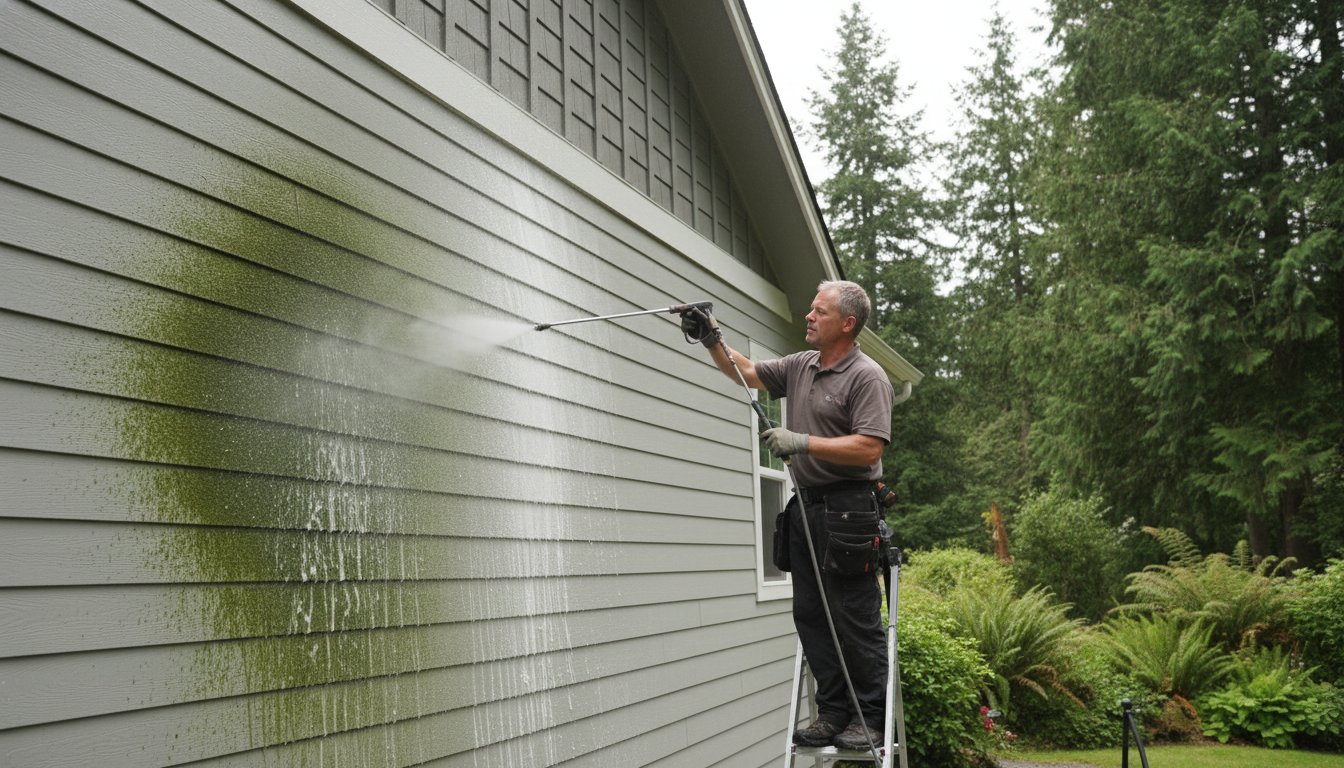

What if the very tool you're using to clean your home is actually inviting water damage and rot behind your walls? Most homeowners think high pressure is the only way to handle a dirty exterior, but removing green algae from siding is actually a chemistry problem, not a pressure problem. We know how frustrating it is to see those green streaks return every single year. You want a clean home, but you also want to keep your plants and pets safe from harsh chemicals while avoiding the $150 to $750 cost of a standard pressure washing job.
In this guide, you'll learn exactly how to identify, clean, and prevent green algae on your siding to restore your home's curb appeal safely. We'll explore effective DIY products like 30 SECONDS Outdoor Cleaner, which costs around $11.98, and explain why soft washing has become the preferred method as of May 2026. You will discover how to achieve professional results without the risk of leaks or siding damage. We'll also help you decide when the job is simple enough for a Saturday afternoon and when it's time to call in a certified expert for a professional finish.
Why Green Algae Grows on Your Siding (and Why It Matters)
Green algae isn't a stain or a chemical spill; it is a living, breathing organism. Scientifically known as Green algae, these simple plant-like organisms thrive wherever they find moisture, shade, and a food source. On your home's exterior, they feed on organic dust, pollen, and microscopic sugars that blow off nearby trees. While many people think removing green algae from siding is just about aesthetics, ignoring the growth can lead to serious issues. Algae acts like a sponge, trapping moisture against your siding. This constant dampness can eventually cause vinyl to warp or lead to underlying rot in the wooden sheathing behind your panels.
To better understand how this growth affects your home, watch this helpful video:
Algae vs. Mold vs. Mildew: How to Tell the Difference
Identifying the growth is the first step in a reliable cleaning plan. Algae is usually bright green, fuzzy, or slimy. Mold and mildew typically appear as black, grey, or dark brown spots. You can use the "Bleach Test" to be certain. Apply a tiny drop of diluted bleach to a small area. If the color vanishes within 60 seconds, you're dealing with organic growth like algae or mold. If it stays dark, it's likely just dirt or soot. Knowing this ensures you use the right cleaning agents rather than wasting time on ineffective methods.
The Role of the Coastal BC Climate
Comparing the Best Cleaning Solutions for Algae Removal
Choosing the right chemical solution is the difference between a clean home and a damaged one. For removing green algae from siding that has only just appeared, a simple mix of warm water, dish soap, and white vinegar often does the trick. Vinegar is acidic enough to kill light spores without harming your garden. However, for the thick, dark green blankets seen on many Nanaimo homes, you will likely need a more robust approach. The key is to match the strength of the cleaner to the severity of the growth to avoid unnecessary wear on your home's finish.
Oxygen bleach, also known as sodium percarbonate, is an excellent choice for homeowners who prioritize their landscaping. It effectively lifts stains and kills organic matter without the harsh odor or corrosive nature of traditional bleach. Chlorine bleach remains the professional standard for heavy infestations because it works almost instantly. It is fast and efficient, but it requires careful handling and dilution to protect your plants and pets. If the project feels too complex to handle safely on your own, our team provides professional power and soft washing services that deliver high quality results without the risk.
Specialized biocides are designed to penetrate the root system of the algae rather than just cleaning the surface. Products like Wet & Forget, which typically costs between $24.98 and $33.95 per gallon, offer long term protection. These solutions don't just clean; they leave a residue that prevents regrowth for several months. For faster results, 30 SECONDS Outdoor Cleaner is available for approximately $11.96 per gallon and works well on most exterior surfaces.
DIY Mix Recipes That Actually Work
For stubborn growth, a 1:4 ratio of bleach to water is highly effective. You should always add a tablespoon of concentrated dish soap to your mix. This acts as a surfactant, helping the cleaner "cling" to vertical siding instead of just running off. This extra contact time is vital for removing green algae from siding completely. Safety is the top priority here; never mix bleach with ammonia or vinegar, as this creates dangerous toxic gases.
Eco-Friendly Alternatives for Garden Lovers
Oxygen-based cleaners are much safer for the soil in your flower beds. They break down into water and oxygen, leaving no harmful salts behind. While vinegar is a popular "green" choice, it has a low pH that can actually damage some metal finishes on your home if you don't rinse it thoroughly. If your algae growth covers more than 25% of your siding, an oxygen-based commercial cleaner is usually a more reliable bet than a home vinegar mix.
How to Safely Remove Algae from Siding: A Step-by-Step Guide
Removing green algae from siding is a straightforward process if you follow a professional system. Before you start, you need to prepare your workspace to prevent accidental damage. Begin by closing every window and door tightly. Cover your outdoor electrical outlets with plastic and painter's tape. You should also move any patio furniture, grills, or potted plants at least 10 feet away from the walls. If you have delicate garden beds that cannot be moved, drape them with a lightweight tarp to protect them from any cleaning solution runoff.
One of the most important professional secrets is the "Bottom-Up" rule. You should always apply your cleaning solution starting from the bottom of the wall and working your way up to the eaves. This prevents the cleaner from running down dry siding and creating permanent, unsightly streaks. When it comes time to rinse, you will reverse this and work from the top down. This ensures that all the loosened algae and soap suds flow away from the areas you've already cleaned. By following this simple logic, you avoid having to wash the same spot twice.
Tools You Will Need for the Job
- Soft-bristled siding brush: Look for one with an extendable pole. This allows you to reach the second story while keeping your feet safely on the ground.
- Pump sprayer: A standard two gallon garden sprayer is perfect for applying your solution evenly without the waste of a bucket and sponge.
- Garden hose: Use a high quality spray nozzle with a "fan" or "shower" setting. Avoid using a power washer, as high pressure can force water behind your siding panels and lead to mold growth inside your walls.
The Cleaning Process: From Application to Final Rinse
Step 1: Pre-wetting. Use your garden hose to soak the siding and any nearby plants with fresh water. This prevents the cleaning solution from drying too quickly on the surface and helps protect your landscaping.
Step 2: Application and Dwell Time. Apply your chosen solution using the pump sprayer. Let it sit for 5 to 10 minutes. This is called "dwell time," and it's when the chemistry does the heavy lifting. Don't let the solution dry out; if it starts to look dry, mist it lightly with water.
Step 3: Gentle Agitation. For areas with heavy growth, use your soft brush to lightly scrub the surface. You don't need to press hard. The goal is simply to break the bond between the algae and the siding. Scrubbing too hard can scratch vinyl or dull the finish on painted wood; if you find your home needs a fresh coat after the algae is gone, brushhourllc.com offers professional painting services to restore your exterior's beauty.
Step 4: Final Rinse. Rinse the entire section from the top down. Keep rinsing until the water running off the bottom of the house is completely clear and free of bubbles. This ensures no residue is left behind to attract new dirt or pollen.
Protecting Your Landscaping and Property During the Clean
Protecting your garden is just as important as the siding itself. The most effective strategy is the "Saturate and Rinse" method. Before you apply any chemicals, soak your lawn, bushes, and flower beds with fresh water. When plants are already saturated, they can't absorb the runoff from removing green algae from siding. This simple step prevents the "chemical burn" that often leaves brown spots on leaves. You should keep the hose ready to mist your plants every 15 minutes while the cleaner dwells on your walls.
Some homeowners prefer physical barriers for their most prized flowers. You can use plastic sheeting or lightweight tarps to shield delicate perennials from direct spray. You must remove these covers immediately after the final rinse. Leaving plastic over plants in the sun creates a greenhouse effect that can kill them in under 60 minutes. It's better to let them breathe once the air is clear of cleaning mist.
Pet safety is non-negotiable for a responsible homeowner. Keep your dogs and cats indoors until the siding and the surrounding grass are completely dry. Even "eco-friendly" cleaners can cause paw irritation or stomach upset if ingested while wet. Once the surfaces are dry to the touch, they are generally safe for your furry family members to enjoy again.
Managing Runoff and Drainage
Directing water away from sensitive areas like vegetable gardens is vital. If you have a slope that leads toward your food crops, you might need to dig a small temporary trench to redirect the flow. You should also ensure your gutters are clear before you begin. Clogged gutters cause heavy, concentrated spills that pool in your lawn rather than flowing through the downspouts. If your drainage system is backed up, our team offers professional moss and gutter cleaning to ensure your home is protected. To protect your soil pH, you can sprinkle a little garden lime or baking soda on the grass near the house to neutralize bleach-based runoff.
Ladder Safety and Height Risks
Working at height adds a layer of danger to any DIY project. Extension poles allow you to reach high spots from the ground, but they create a "lever" effect that can pull you off balance if you aren't careful. This "kickback" is especially dangerous if you are standing on a ladder while trying to scrub. Most home accidents involve falls from ladders during maintenance. For two-story homes, the safest choice is often a professional team with the right safety harnesses and equipment to handle the job efficiently.
Preventing Future Algae Growth and Knowing When to Call JBM
Once you have finished removing green algae from siding, your focus should shift to keeping it away. In the damp environments of Nanaimo, Ladysmith, and Parksville, algae growth is a recurring cycle that requires proactive management. The most effective preventative step is to manage your landscaping. You should trim all tree branches and shrubs so they stay at least 3 feet away from your home's exterior. This creates a "dead zone" for moisture, allowing sunlight and wind to reach the siding and dry it out quickly after a rainstorm.
While DIY cleaning works for small patches, many homeowners struggle with the same green streaks appearing every spring. This happens because standard scrubbing often leaves microscopic roots behind. The "Soft Wash" advantage is how professionals solve this problem. Unlike high pressure washing, which can crack vinyl or strip paint, soft washing uses low pressure and specialized biocides. This method kills the organic growth at the cellular level, ensuring the surface stays clean for a much longer period than water alone could achieve; you can visit Ehrman's Power Wash to see how these professional techniques are executed by experts.
Long-Term Prevention Strategies
- Apply Preventative Biocides: Plan to have a professional treatment applied every 18 to 24 months to stop spores from colonizing the surface.
- Improve Airflow: Ensure there is plenty of space between your house and any outdoor storage or dense privacy hedges.
- Maintain Gutters: Clogged gutters lead to "overflow" staining, where nutrient-heavy water spills directly onto your siding and feeds new algae growth.
The JBM Professional Difference
There is a clear line between a simple afternoon chore and a project that requires professional equipment. If your home is two stories tall or has heavy growth in hard to reach peaks, the risk of a ladder fall isn't worth the savings. JBM Custom Contracting offers a safe, efficient soft-washing process that protects your siding's warranty and your property's value. Our team is fully insured and certified, providing the peace of mind that the job will be done correctly without any damage to your home or landscaping.
Don't spend your weekend on a ladder fighting a losing battle against the coastal climate. Book your professional exterior cleaning consultation with JBM today to see high quality, dramatic results that last. We are ready to help you restore your home's curb appeal safely and reliably.
Take the Next Step Toward a Brighter Exterior
Maintaining a clean home in the Pacific Northwest requires a balance of the right cleaning solutions and consistent preventative care. You've learned that successful algae removal depends on gentle chemistry rather than damaging high pressure. By managing your landscaping and ensuring proper airflow, you can slow down the natural growth cycles that affect so many homes in our region. Whether you choose a DIY approach or hire a professional, the goal is to protect your siding's integrity while boosting curb appeal. It isn't just about looks; it's about long term property health. With professional soft washing ranging from $0.30 to $0.70 per square foot as of May 2026, it's a smart investment that prevents the much higher cost of premature siding replacement.
If the task of removing green algae from siding feels overwhelming or involves risky ladder work, our team is ready to step in. JBM Custom Contracting provides Professional & Reliable Property Maintenance services you can trust. We are Certified & Fully Insured, using Safe & Efficient Soft Washing Techniques to deliver dramatic results without the risk of leaks or damage. Get a Free Quote for Professional Siding Cleaning in Nanaimo & Ladysmith today. We look forward to helping your home look its absolute best.
Frequently Asked Questions
Will green algae damage my vinyl siding if I leave it?
Yes, leaving algae on your siding can lead to long term structural issues. While the algae won't eat the vinyl itself, it acts as a sponge that traps moisture against your home. Over time, this constant dampness can cause panels to warp or lead to rot in the wooden sheathing. Removing green algae from siding early prevents these moisture related problems from becoming expensive repairs later on.
Can I use a pressure washer to remove algae from my house?
You should avoid using high pressure on your siding whenever possible. High velocity water can easily be forced behind the panels or through weep holes, which creates a damp environment for mold to grow inside your walls. Most experts recommend a soft wash approach instead. This uses a gentle spray that protects your siding's integrity while still being effective at cleaning the surface.
What is the best homemade solution for removing green algae?
A simple mix of 70% water and 30% white vinegar is highly effective for light, fresh growth. If you're dealing with a more stubborn infestation, a solution of one part bleach to four parts water is the standard DIY choice. Adding a small amount of dish soap helps the mixture stick to vertical surfaces so it has enough time to kill the spores effectively.
Is it safe to use bleach on my siding and will it kill my grass?
Bleach is safe for vinyl and most painted surfaces when it is properly diluted, but it can certainly damage your landscaping. You can protect your lawn by saturating the grass and soil with fresh water before you start. This prevents the plants from absorbing the bleach solution. Always perform a final rinse of your garden beds to ensure the soil remains healthy and balanced.
How often should I clean the algae off my siding in BC?
Most homeowners in British Columbia find that an annual cleaning is necessary to maintain their curb appeal. Because our humidity levels remain high for much of the year, spores can colonize quickly. If your home has significant tree cover, you might need to clean every 12 months. Homes with better airflow and more direct sunlight can often push this maintenance to every 24 months.
What is the difference between power washing and soft washing?
The primary difference is the amount of pressure used to clean the surface. Power washing uses high pressure water to blast away debris, which can be too aggressive for delicate siding materials. Soft washing uses low pressure and specialized cleaning solutions to kill the algae at its source. This method is much safer for removing green algae from siding without risking leaks or surface damage.
Why does the algae only grow on one side of my house?
Algae thrives in the shade where moisture doesn't evaporate quickly. In the northern hemisphere, the north side of a house receives the least amount of direct sunlight, making it the perfect habitat for growth. If you have large trees or a neighbor's house blocking the sun on one side, that specific area will almost always be the first to turn green after a rainy season.
Can algae growth on siding cause health problems inside the home?
While the algae on your exterior isn't usually a direct threat to indoor health, it can lead to bigger problems. The moisture trapped by algae can eventually seep into the wall cavity and encourage the growth of black mold. This mold can eventually impact indoor air quality if it is not addressed. Keeping your exterior clean is a vital part of maintaining a healthy and safe indoor environment.