
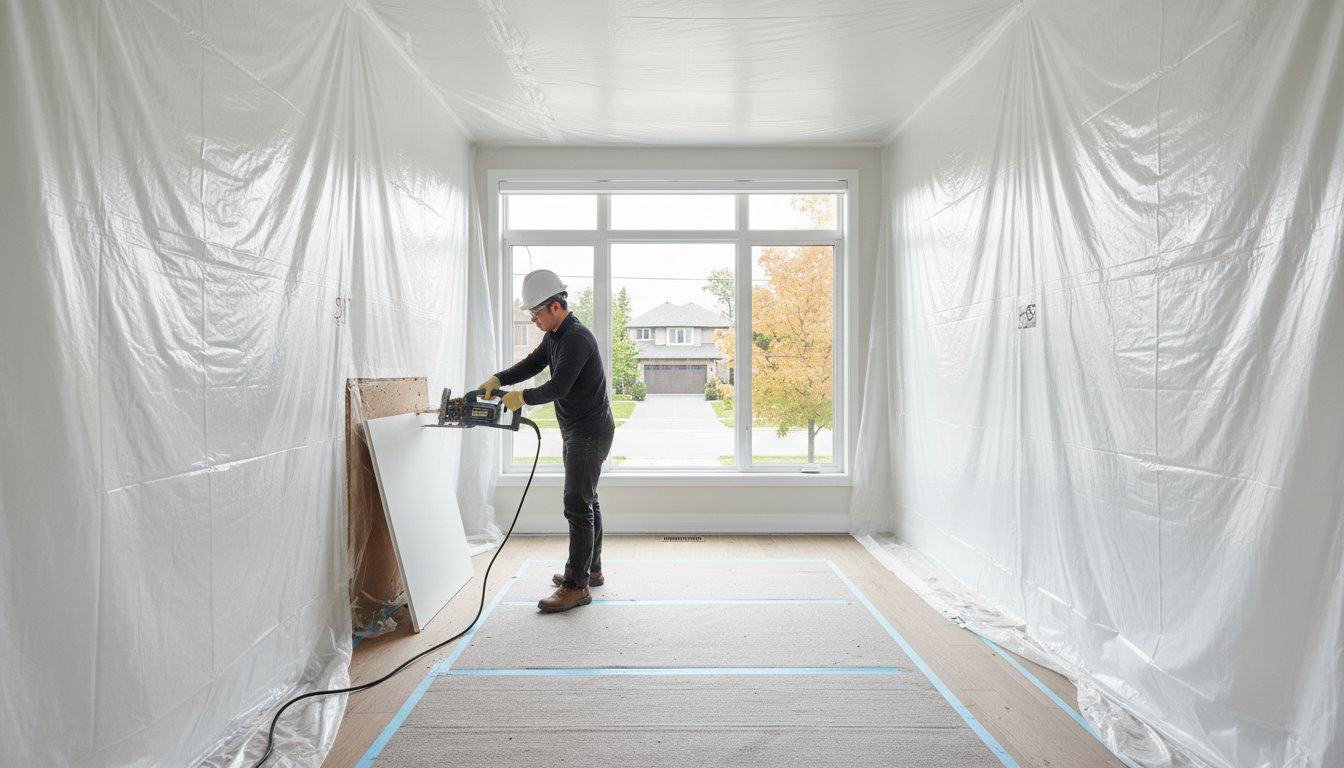

A single misplaced swing during a kitchen remodel can turn a C$5,000 project into a C$22,000 structural repair bill. You want a fresh start for your space, but the fear of hitting a load-bearing wall or mismanaging the selective demolition process is a heavy burden to carry. It's stressful to think about fine dust coating every surface or the confusion of navigating local Canadian building permits. We understand that you want a professional, reliable result without the chaos of a total teardown.
You're about to master the surgical approach to property renovation with our detailed breakdown of each phase. This method ensures your home stays safe while we clear the way for your new vision. We'll show you how to manage debris effectively, aiming to recycle up to 85% of materials to keep waste out of local landfills. This guide provides a clear path from the initial safety inspection to a clean, renovation-ready room. You'll gain the confidence to handle your project efficiently, safely, and with total precision.
Key Takeaways
- Understand why the "surgical" approach to demolition is the superior choice for maintaining precision and safety during your home renovation.
- Learn how to conduct a professional site assessment to identify load-bearing walls and protect essential HVAC, plumbing, and electrical lines.
- Master every stage of the selective demolition process, from professional site preparation and dust containment to strategic interior strip-outs.
- Discover how to identify and salvage valuable materials like wood and metal to minimize waste and maximize your project's efficiency.
- Realize the importance of hiring a certified and fully insured contractor to protect your investment and avoid the liability traps of DIY work in Canada.
What is Selective Demolition and Why is it the "Surgical" Choice?
Selective demolition is the strategic removal of specific interior or exterior portions of a building while keeping the remaining structure intact. It's a controlled process that prioritizes precision over brute force. Think of it as a surgical procedure for your property. Instead of a wrecking ball clearing a lot, our team uses specialized tools to isolate and remove only what's necessary. This approach is vital for renovation projects where the building's "bones" are sound but the layout needs a modern update. Professional contractors use this method to ensure the structural integrity of the surrounding areas remains undisturbed.
To better understand this concept, watch this helpful video:
Common scenarios for this service include gutting a 1980s kitchen for a modern redesign, preparing a commercial space for a new tenant, or removing specific concrete slabs to install updated plumbing. In many Canadian residential projects, homeowners choose the selective demolition process to preserve historical facades while modernizing the interior. This method offers three primary benefits: significant cost savings on disposal fees, reduced environmental impact, and the preservation of valuable structural elements. By targeting only specific areas, you avoid the massive expense of rebuilding a foundation or exterior shell from scratch.
Selective vs. Total Demolition: Key Differences
The main difference lies in the structural impact. Total demolition clears the entire lot to the dirt. Selective work preserves the "shell" of the building. We use hand tools, saws, and mini-excavators for precision. Total demolition relies on 40-ton excavators and wrecking balls. Waste volume also differs greatly. A total teardown of a 2,000-square-foot home can generate over 100 tonnes of debris. A selective project might only produce 15 tonnes, making debris management much easier to handle. This targeted approach keeps your project site clean and organized.
Environmental Impact and Sustainability
Modern property maintenance relies heavily on the concept of Deconstruction to support LEED certification goals. In Canada, construction and demolition waste accounts for nearly 4 million tonnes of landfill contributions annually. The selective demolition process allows us to divert up to 70% of that waste through careful material separation. By sorting wood, metal, and concrete on-site, we ensure these materials are recycled rather than buried. This practice isn't just good for the planet; it's a requirement for many municipal building permits in cities like Toronto and Vancouver. It's a reliable way to ensure your project stays compliant with local environmental regulations while achieving dramatic results for your renovation.
Choosing a professional team ensures that these tasks are performed safely and efficiently. We focus on protecting your investment by using high-quality equipment and proven techniques. Whether you're removing a single wall or stripping an entire floor, the goal is always the same: a clean slate for your next phase of construction without the hassle of unnecessary damage. Our certified and fully insured team manages the complexity so you don't have to worry about the structural health of your building. To prepare for the subsequent renovation of your kitchen or bath, you can learn more about Countertops and Cabinetry By Design for inspiration on high-quality materials and professional layouts.
The Critical Planning Phase: Structural Integrity and Safety First
Every successful selective demolition process begins long before a single hammer swings. At JBM Custom Contracting, we treat the planning phase as the most vital part of the project. A professional site assessment is not just a simple walkthrough; it is a detailed forensic evaluation of the building's "bones." We identify load-bearing walls that provide essential support and map out active HVAC, plumbing, and electrical lines. Cutting into a live 240V line or a pressurized water main can cause thousands of dollars in damage instantly. We use thermal imaging and specialized scanners to see behind the drywall, ensuring our team knows exactly what stays and what goes.
For high-risk projects, we involve structural engineers to sign off on the demolition plans. This ensures the remaining structure stays stable while we remove specific sections. In 2026, Canadian municipal approvals have become more stringent, often requiring detailed waste diversion plans before a permit is issued. You need to secure these documents early to avoid project delays that can cost upwards of C$500 per day in idle labour. Following OSHA demolition safety standards helps ensure every preparatory step meets international safety benchmarks, protecting both workers and the property owner from liability.
Obtaining permits in 2026 involves navigating new "Green Building" bylaws that vary by province. Many Canadian cities now require a minimum 75% waste diversion rate for demolition projects. This means your planning phase must include a strategy for sorting wood, metal, and concrete on-site. We handle the paperwork and coordination with local municipalities to ensure your project stays legal and avoids heavy fines. Our team ensures all documentation is ready before the crew arrives, keeping the timeline on track and the budget predictable.
Utility Locating and Shut-offs
The "Safe-Off" process is your first line of defense against workplace accidents. We don't just flip a switch; we verify that gas, water, and electricity are physically disconnected or capped. Mapping hidden lines is critical because approximately 35% of accidental utility strikes occur due to inaccurate or outdated blueprints. We coordinate directly with local utility providers for any exterior work to locate buried lines. If you are unsure about your site's layout, it's best to consult with a professional team to prevent catastrophic mistakes that could shut down an entire city block.
Hazardous Material Screening
Older Canadian structures often hide asbestos, lead paint, or mold behind their walls. A certified inspection is mandatory before the first swing of a sledgehammer. Managing the selective demolition process effectively means accounting for these hidden hazards before they become expensive surprises. If we find hazardous materials, it changes the entire project scope. Asbestos abatement can add 10 to 15 days to a timeline and increase costs by 20% or more. Identifying these risks during the planning phase prevents workers from inhaling toxic dust and keeps your project compliant with provincial health and safety regulations. We provide clear data on any findings so you can adjust your budget and schedule before work begins.
- Asbestos Testing: Mandatory for buildings constructed before 1990.
- Lead Paint Detection: Crucial for historical renovations to prevent soil contamination.
- Mold Remediation: Necessary for maintaining air quality in the remaining structure.
When these hazards are uncovered, especially water damage or mold, the demolition must pause until a professional remediation team can address the issue. For a clear example of the services involved in property damage restoration, you can review the work detailed at elevatedoperations.net.
The 5-Step Selective Demolition Process Explained
A professional selective demolition process requires a surgical approach rather than brute force. We focus on preserving the integrity of the remaining structure while efficiently removing specific sections. This methodical strategy minimizes waste and protects your investment. Our team follows a strict five step protocol to ensure every project meets Canadian safety standards and client expectations.
- Step 1: Site Preparation and Dust Containment. We begin by isolating the work area. This involves sealing HVAC vents and installing physical barriers to keep debris away from clean zones.
- Step 2: Interior Strip-out. Our crew removes non-structural elements such as flooring, drywall, and cabinetry. We sort these materials immediately to maximize recycling efficiency.
- Step 3: Structural Modification and Shoring. Before any load-bearing components are touched, we install temporary supports. Following the University of New Hampshire's selective demolition guidelines ensures that the building remains stable during these critical transitions.
- Step 4: Systematic Material Removal. We extract heavy materials like concrete or steel beams in a controlled sequence. This prevents sudden shifts in weight and keeps the site organized.
- Step 5: Final Site Stabilization and Inspection. Once the removal is complete, we secure the remaining structure. A final walkthrough ensures the site is clean, safe, and ready for the next phase of construction.
Once the demolition is complete, you'll have a blank canvas for your new kitchen or bathroom. As you start planning that next phase, it's helpful to see what full-service specialists can do. For example, Countertops and Cabinetry By Design offers expert craftsmanship in custom cabinetry and premium countertops, while the project galleries from X Cabinet & Stone provide further inspiration for high-quality materials and professional construction.
For international inspiration on managing a full-scale project after the teardown, it can be helpful to explore HDB BTO Renovation Packages to see how homeowners in Singapore structure their renovations.
Containment and Protection Strategies
We use heavy-duty zip-walls and adhesive floor protection to prevent cross-contamination. Our team deploys negative air machines equipped with 99.97% HEPA filtration. These units pull air through the work zone and exhaust it outside, which keeps fine dust out of your living quarters. For noise management, we schedule high-impact tasks between 9:00 AM and 4:00 PM to respect local municipal bylaws and your neighbors. This professional approach keeps the environment breathable and the community happy.
The Methodical Dismantling Phase
Precision is our priority during the dismantling phase. We use a top-down sequencing strategy; we start at the ceiling and work toward the floor to prevent debris from falling on workers. Our technicians select tools based on the material's density. We use diamond-blade saws for clean concrete cuts and 12lb sledgehammers for controlled masonry removal. During the extraction of heavy elements, we use real-time structural monitoring. This allows us to detect even a 2-millimetre shift in the framework, ensuring the selective demolition process remains safe from start to finish. This focus on craftsmanship is echoed in other fields of custom work; for example, you can discover Fat Boy Design USA to see how similar principles apply to high-performance vehicle parts.
Similarly, those who appreciate this level of precision in their property may also explore Specialized European Auto Repair to see how meticulous craftsmanship is applied to the maintenance of high-performance vehicles.
Our commitment to safety and precision means we don't take shortcuts. Every piece of debris is cleared promptly, and every structural support is double-checked. You can trust JBM Custom Contracting to handle your interior or exterior demolition with the care it deserves. We provide reliable results that clear the way for your renovation without the typical headaches of a messy job site.
This level of preparation is crucial for the subsequent renovation, especially for exterior projects where the goal is to enhance curb appeal and structural longevity. For homeowners looking for inspiration on what's possible after the teardown, the work of specialized companies like Divine Homes Exteriors provides excellent examples of high-quality exterior transformations.
A quality paint job is a key part of any exterior renovation. For inspiration on how a professional finish can protect and beautify a home, the project galleries from specialists like Higher Impact Painting show the level of quality to look for.
When those transformations involve updating windows and doors, looking at different suppliers can provide excellent design ideas. For example, the US-based A1 Window provides great examples of residential replacements, while the UK-based Custom Trade Systems Ltd offers a look at high-quality uPVC and aluminium systems that are popular in modern renovations.
For exterior renovations focused on creating a functional and luxurious outdoor living space, high-end kitchen appliances are a key component. To explore options for professional grills, pizza ovens, and other built-in outdoor features, you can learn more.
Beyond the Sledgehammer: Material Salvage and Efficient Junk Removal
The selective demolition process focuses on surgical precision rather than total destruction. This approach allows contractors to identify "hidden gems" within a structure that still hold significant value. In many Ontario renovation projects, materials like century-old Douglas fir beams, solid brass hardware, or cast iron radiators can be salvaged for resale or reuse. Reclaiming these items reduces the total project cost and keeps high-quality materials out of local landfills. Statistics from Environment and Climate Change Canada indicate that construction and demolition waste accounts for approximately 12 percent of the solid waste stream. By prioritizing salvage, we actively lower that number while putting money back into the project budget.
Efficiency relies on the logistics of on-site sorting. A professional crew doesn't just pile debris in a corner. They establish dedicated zones for wood, metal, concrete, and drywall. Managing the selective demolition process effectively requires a strict plan for these materials. Metal, specifically copper piping and aluminum siding, often fetches a high scrap value at Canadian recycling centres. Sorting at the source prevents cross-contamination, which is vital because contaminated loads result in higher tipping fees at municipal waste facilities. A disorganized site slows down every trade that follows. Professional junk removal ensures the renovation timeline stays on track by removing obstacles before they become safety hazards or logistical bottlenecks. For industrial-scale demolition and renovation projects, the specialized material handling systems and power transmission components provided by Jealco International, Inc. are essential for managing heavy salvaged equipment and high-volume debris with surgical precision.
Adopting a "Clean Site" philosophy means a tidy workspace is a safe workspace. Clutter leads to trips, falls, and hidden dangers like exposed nails or unstable flooring. We maintain clear pathways throughout the duration of the job. This discipline reflects our commitment to being professional and reliable. It’s a standard that protects the crew and the property owner alike. A clean environment allows for better visibility, making it easier to spot potential structural issues before they become expensive problems.
Sorting for Recycling and Disposal
Separating recyclables is a strategic move to reduce overall project disposal fees. In many Canadian municipalities, clean wood or masonry costs significantly less to dump than mixed construction waste. Properly handling concrete and masonry debris involves crushing it for use as clean fill or road base. For a seamless transition between tearing down and building up, our junk removal services provide the heavy lifting needed for post-demo cleanup.
The Final Cleanup and Site Hand-off
The final phase involves more than just a broom. We use HEPA vacuuming to capture fine particulates that standard vacuums miss, ensuring air quality remains high for the next phase of construction. Once the debris is cleared, we perform a final walk-through with the client. This step verifies that the project scope is complete and every specified area is stripped to the required state. We check for structural integrity and ensure no hazardous materials remain. It's about delivering a site that's ready for immediate reconstruction without any lingering mess.
For this intensive cleaning and the subsequent reconstruction, industrial-grade products like construction chemicals and adhesives are often necessary. While based in Nairobi, international suppliers can provide good examples of the types of specialized materials used in these projects; you can see a full range at thikawaxworks.com.
Ready to start your next project with a team that values precision and cleanliness? Contact JBM Custom Contracting for a free consultation today.
Why Hiring a Certified Demolition Contractor is Non-Negotiable
Attempting a DIY approach to your property's transformation often leads to the "liability trap." Many homeowners believe they'll save money by swinging a sledgehammer themselves, but 35% of DIY structural projects end up requiring professional intervention to fix costly mistakes. In Canada, hitting a hidden water main or an improperly mapped electrical line can result in immediate emergency repair costs ranging from C$5,000 to C$15,000—and if that happens, you'll need to act fast with 24/7 expert support from teams like Sweet Dreams Plumbing. You can explore Water Damage Restoration to understand the professional steps required to prevent long-term issues like mold. Beyond the financial hit, uncertified work can void your property insurance, leaving you personally responsible for any structural failures or injuries that occur on-site.
Working with a "Fully Insured" team provides a critical financial safety net. If an accident happens during a complex structural strip-out, our C$2 million liability coverage protects your assets. You won't have to worry about the legal or financial fallout of workplace injuries or accidental property damage. We prioritize reliability and safety, which means we follow strict Canadian safety protocols and disposal regulations for every project we touch.
The Value of Certification and Experience
Asking if a contractor is "Certified and Fully Insured" should be your first step. JBM Custom Contracting stands out because we understand both sides of the coin: demolition and construction. This dual expertise allows us to anticipate how a teardown affects the future build. For a look at our comprehensive capabilities, you can explore our demolition services pillar to see how we handle various project types. Our experience ensures we identify hazardous materials like asbestos, which is common in Canadian homes built before 1990, before the first wall is opened.
For fellow contractors, maintaining this level of organization across multiple job sites is a challenge we've solved by digitizing our operations. To see an example of the software that helps manage field service businesses like ours, you can visit Repair-CRM.
Getting Started with Your Project
Preparation is key to an efficient project. Before your free consultation, identify which structural elements must stay and which must go. When you receive your estimate, look for transparency. A professional quote should clearly outline debris disposal fees, permit costs, and site protection measures. We don't hide costs; we provide a clear roadmap for your renovation. Ready to clear the way for your next big idea? Book Your JBM Demolition Project Consultation today to ensure your selective demolition process is handled with the care and expertise your property deserves.
Start Your Renovation With Surgical Precision
Mastering the selective demolition process protects your home's structural integrity while clearing the way for modern designs. It's about precision. Meticulous planning and site preparation can prevent 100% of avoidable structural failures during a residential renovation. By choosing a surgical approach over traditional gutting, homeowners in Canada can often salvage up to 85% of building materials like timber, flooring, and fixtures. This practice keeps thousands of kilograms of debris out of local landfills and reduces your overall project waste expenses. JBM Custom Contracting handles these complex tasks with a focus on professional and reliable property maintenance. We're certified and fully insured, so you don't have to worry about liability or site safety risks. Our team prioritizes proper disposal and recycling to ensure your project meets all municipal environmental standards. Don't leave your home's safety to chance when precision and experience matter most. We're ready to help you clear the path for your dream space today.
Get Your Free Selective Demolition Estimate Today
Frequently Asked Questions
Is selective demolition more expensive than total demolition?
Selective demolition generally costs between C$25 and C$50 per square foot, which is often 30% more than total demolition. While a total teardown uses heavy machinery to clear a site quickly, the selective demolition process involves carefully removing specific sections while protecting the remaining structure. This meticulous approach prevents damage to your home's foundation and utility lines; saving you money on reconstruction costs in the long run.
How do you ensure the house doesn’t collapse during the process?
Our team prevents structural failure by installing temporary shoring and bracing systems before any structural elements are touched. We identify 100% of load-bearing walls using original blueprints or on-site inspections by a structural engineer. This ensures the integrity of your roof and upper floors remains intact throughout the project. Our certified technicians follow strict safety protocols to maintain a stable environment for everyone on site.
Will I need to move out of my home during selective demolition?
You usually need to vacate the specific work zone, though staying in the home depends on the project's scale. While 85% of our clients choose to move out during major interior work to avoid dust and noise levels that often exceed 90 decibels, smaller projects can be cordoned off with heavy-duty plastic barriers. We use industrial HEPA air scrubbers to maintain air quality, but the safest option for your family is often staying elsewhere.
How long does the average residential selective demolition take?
A typical residential selective demolition project takes between 3 and 7 business days to complete. A standard 300-square-foot kitchen gut usually finishes in 2 days, while a full basement strip-out may take up to 5 days. We provide a detailed timeline during your free consultation so you can plan your renovation schedule with confidence. Our efficient crews work quickly to keep your project on track without sacrificing safety or precision.
What permits are required for selective demolition in 2026?
You must obtain a building permit and a designated substances survey (DSS) as required by Canadian provincial regulations in 2026. Under the updated 2025 National Building Code of Canada, any project affecting structural components or plumbing requires official municipal approval before work starts. We help you navigate these requirements to ensure 100% compliance with local bylaws; preventing costly fines or project delays of C$500 per day or more.
Do demolition contractors handle the junk removal afterward?
Yes, professional demolition contractors include complete junk removal and site cleanup in their service packages. We sort approximately 95% of the debris on-site to ensure recyclable materials like wood, metal, and concrete are diverted from Canadian landfills. You won't have to worry about renting bins or hauling heavy waste; we leave the site clean and ready for the next phase of your renovation.
Can I salvage cabinets or flooring myself before you start?
You can certainly salvage cabinets, appliances, or flooring yourself as long as the work is finished 24 hours before our crew arrives. Removing these items ahead of time can save you between C$200 and C$500 in labor costs depending on the room size. Just ensure all water and gas lines are safely capped by a licensed professional before you begin your portion of the work to maintain site safety.
If you decide to keep your cabinets, this is an excellent opportunity for an update. Even if you're not in the area, looking at specialists in Cabinet refinishing Denver can provide great inspiration for how to transform your salvaged kitchen fixtures.
If you decide to keep your cabinets, this is an excellent opportunity for an update. Even if you're not in the area, looking at specialists in Cabinet refinishing Denver can provide great inspiration for how to transform your salvaged kitchen fixtures.