
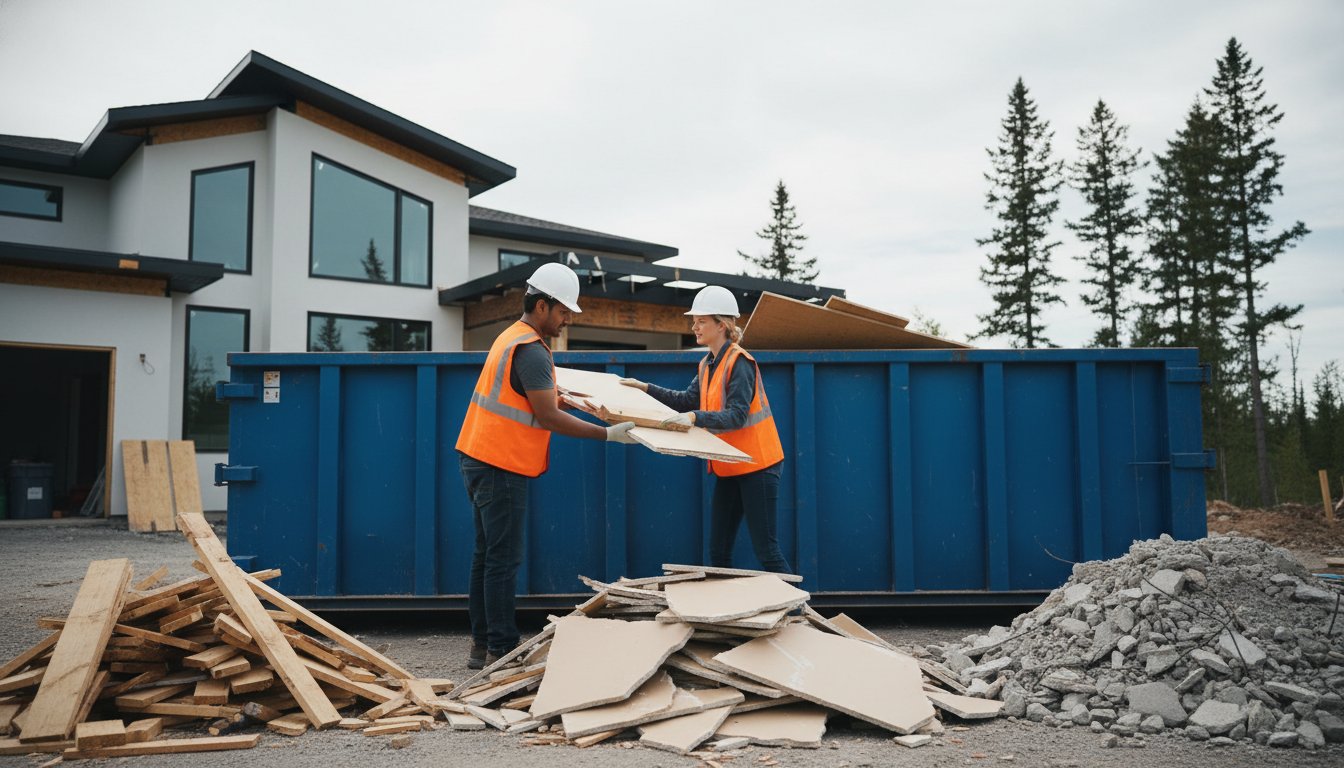

The single biggest budget-breaker in your renovation project might not be the lumber or the fixtures; it's the pile of debris left behind and the hidden fees that come with it. It’s a frustrating reality for many Canadian property owners. You budget meticulously for every 2x4 and can of paint, only to get blindsided by unexpected disposal fees for heavy materials, unreliable pickup schedules that delay your timeline, or even property damage from a careless crew.
This 2026 pricing guide is designed to change that. We'll provide the professional insights you need to master the logistics of waste management, helping you accurately budget the construction debris removal cost for your next project. We’ll break down how materials like concrete and drywall are priced differently, clarify the volume vs. weight debate, and show you how to find a certified, insured Canadian pro to handle the job safely and efficiently.
Key Takeaways
- Discover the two primary factors that determine your final bill: the total volume of your debris and whether it contains heavy materials like concrete or shingles.
- Look beyond the base price of a dumpster rental by learning to identify hidden expenses like permit fees, potential property damage, and your own labour time.
- Reduce your overall construction debris removal cost with practical on-site strategies like pre-sorting materials to avoid mixed-load fees.
- Understand why choosing a certified and fully insured removal partner is essential for protecting your property and ensuring a safe, professional cleanup.
Understanding Construction Debris Removal Costs in 2026
After the dust settles on your renovation or construction project, you’re left with the challenge of cleanup. Professional construction debris removal is a specialized logistics service, not just simple junk hauling. It involves the heavy labour to load materials, the proper vehicles to haul them, and the certified disposal at designated facilities. For reliable and efficient services in Canada, consider reputable companies like JBM Custom Contracting. Unlike standard household junk, which is often priced by the volume it takes up in a truck, the construction debris removal cost is primarily driven by weight. Materials like concrete, drywall, and lumber are incredibly dense, making their transport and disposal more demanding and expensive.
To see how a professional team efficiently handles a typical cleanup site, watch this short video:
As we look toward 2026, the market is shifting. Stricter provincial and municipal recycling mandates across Canada are influencing fees significantly. This means that simply taking a mixed load to the landfill is no longer a cost-effective or compliant option. The total price you pay will fall along a spectrum, depending on whether you choose a "Full-Service" option where a crew handles everything, or a "Self-Service" bin rental where you provide the labour.
What Qualifies as Construction Debris?
A clear grasp of what constitutes construction and demolition (C&D) waste is essential for accurate quoting. For a detailed technical breakdown, Understanding Construction Debris provides a comprehensive overview. Generally, it includes non-hazardous materials generated from building, renovation, and demolition projects. Common items include:
- Lumber and Wood: Framing offcuts, old decking, and plywood.
- Drywall: Gypsum board scraps and removed wall sections.
- Masonry: Bricks, concrete chunks, asphalt, and stone.
- Roofing: Shingles, flashing, and underlayment.
- Flooring: Tiles, laminate, carpeting, and vinyl.
Similarly, new construction using pre-engineered systems often produces scrap metal. Companies specializing in these structures, such as Bradberry Steel, provide materials that, when scrapped, have unique disposal and recycling value compared to mixed debris.
A key cost factor is the separation of materials. "Clean" debris, like a load of only concrete or untreated wood, is often cheaper to dispose of because it can be easily recycled. Mixed renovation waste, however, requires sorting and incurs higher fees. It’s critical to remember that standard pricing always excludes hazardous materials like asbestos, lead-painted items, and chemical solvents, which require specialized abatement and disposal services.
The 2026 Cost Outlook
Planning your budget requires a realistic view of future expenses. By 2026, the average cost of construction debris removal in Canada is projected to rise, driven by operational factors. For a typical residential renovation, expect to pay between C$350 and C$900 for a full truckload cleanup. Commercial site cleanups are more substantial, often starting around C$800 and increasing based on tonnage and site access.
Two primary factors are pushing these prices up. First, rising fuel costs, influenced by the federal carbon tax, directly increase hauling rates. Second, landfill tipping fees in major Canadian centres like the Greater Toronto Area and Metro Vancouver have been increasing by an average of 4-8% annually. Furthermore, local regulations are introducing "sorting surcharges." For example, in municipalities with strict landfill diversion goals, a load of mixed, unsorted C&D waste can face penalties of up to 50% on top of the base tipping fee. A professional removal service manages this compliance for you, but the cost of that diligence is part of the price.
For small business owners in the trades, keeping track of these fluctuating expenses, from fuel surcharges to tipping fees, is crucial for maintaining profitability. Professional bookkeeping services can help streamline this process, ensuring every cost is accounted for so you can budget accurately for future projects. To see how specialized financial support can benefit your business, you can learn more.
The 4 Pillars of Construction Waste Pricing
Understanding the final number on your invoice starts with knowing how professionals calculate it. The total construction debris removal cost isn't based on a single factor; it's a combination of four key elements. A professional and reliable company will always be transparent about how these pillars-volume, weight, material type, and site access-contribute to your quote, ensuring there are no surprises.
Let's break down each component so you can accurately budget for your project.
- Volume: This is the most straightforward factor. Debris is measured by the space it occupies, typically in cubic yards. Most junk removal services price their services based on truckload fractions, such as 1/4, 1/2, 3/4, or a full truck. For reference, a standard 15-cubic-yard dump truck can hold the equivalent of about six pickup truck beds worth of material.
- Weight: While volume measures space, weight determines the actual disposal cost. Heavy, dense materials like concrete, soil, shingles, or bricks can quickly reach a truck's weight limit, even if it's not visually full. This often triggers "heavy load" or "per-tonne" pricing, which reflects the higher fees charged at Canadian landfills and transfer stations.
- Material Type: What you're throwing away matters. A truckload of clean, recyclable scrap metal might have a lower disposal fee than a load of mixed demolition waste containing non-recyclable drywall and insulation. Properly sorting materials on-site can significantly reduce costs. Effective sorting aligns with best practices like the EPA guidelines on debris reduction, which emphasize recycling to minimize landfill impact and can lower your final bill.
- Access & Labor: How difficult is it to get the debris from your site to the truck? A pile of wood in a driveway is simple. A basement full of broken concrete that must be carried up two flights of stairs and through a narrow hallway is not. The more labor-intensive the job, the higher the cost.
Volume vs. Density: The Weight Trap
A common point of confusion is how a half-full truck can cost more than a completely full one. The answer is density. A 15-cubic-yard truck filled with light fiberglass insulation weighs less than 200 kilograms. In contrast, that same truck only one-third full of broken concrete can easily exceed 2,000 kilograms. Since transfer stations in Canada charge by weight-often C$100 to C$160 per metric tonne-the heavy load costs far more to dispose of. This is the essence of density-based pricing for construction materials; you pay for the weight, not just the space the debris occupies.
Labor and Site Logistics
The time and effort required to safely and efficiently clear your site is a major cost component. A straightforward garage cleanout might require just two man-hours. However, a post-demolition cleanup in a multi-story building could involve 20+ man-hours, specialized equipment, and complex logistics. Factors that increase labor costs include long carrying distances (over 25 metres from the truck), navigating stairs, and working in tight spaces. If heavy debris requires a bobcat or a specialized lift, expect equipment rental fees of C$300+ per day to be factored into your quote. A professional assessment is the only way to accurately budget for these variables. Our team provides detailed, on-site consultations to give you a precise and reliable quote for your specific needs.
Dumpster Rental vs. Full-Service Removal: Cost Analysis
Choosing how to get rid of construction debris involves more than just picking the cheapest option. It’s a decision between the hands-on approach of a dumpster rental and the efficient, all-inclusive nature of a professional hauling service. While a roll-off dumpster seems straightforward, the total construction debris removal cost often includes hidden expenses that can make professional removal the more economical and reliable choice.
Understanding the full picture requires looking beyond the initial quote. You must account for your own time, potential property damage, and municipal regulations. For many projects, the break-even point arrives much sooner than you’d expect, making a full-service team the smarter investment for your time, budget, and peace of mind.
When to Choose a Roll-Off Dumpster
A roll-off dumpster is best suited for long-term projects, like a multi-week renovation, where debris is generated slowly and consistently. This allows you to fill the container at your own pace. However, the costs can add up. Based on 2026 Canadian market projections, a one-week rental often includes one dump, with extra charges for weight overages.
- 10-Yard Dumpster: C$350 - C$550 (Ideal for a small bathroom remodel)
- 20-Yard Dumpster: C$500 - C$750 (Suits a kitchen demolition—a key phase in any kitchen remodeling Milford MA—or a large flooring project)
- 40-Yard Dumpster: C$700 - C$1,100 (Needed for major home additions or new construction). To get a better sense of what these larger projects entail, you can learn more about the planning involved.
A full-home window replacement is another project that can generate a surprising amount of debris, from old frames and glass to packaging materials. Choosing the right company from the start can help manage this process smoothly. To learn what to look for in a window contractor, you can read more.
A full kitchen renovation, for example, often generates a mix of old cabinetry, countertops, and flooring that requires a sizable dumpster. This is a common scenario for specialized remodelers; firms like Countertops and Cabinetry By Design manage these projects from demolition to installation, making debris planning a critical part of their process.
An effective strategy to reduce this waste and lower cleanup costs is to refinish cabinets rather than replacing them. This approach avoids the need to dispose of bulky cabinetry altogether. For instance, companies like Painting Kitchen Cabinet Denver specialize in this type of restoration, offering a sustainable alternative to a full demolition.
Similarly, full-service renovation companies that handle everything from design to cleanup often build debris management directly into their project scope. This integrated approach is common for premier home remodelers who specialize in complex jobs like kitchen, bathroom, and basement renovations. To see how one such company manages these projects from start to finish, you can discover Grand Building Construction.
Upgrading an HVAC system is another renovation that produces specific types of debris, including old air conditioning units, furnaces, and metal ductwork. Professional installers like BulletProof Air typically manage the removal and proper disposal of this old equipment, ensuring that refrigerants are handled safely and scrap metal is recycled correctly.
Outdoor living space renovations, like replacing an old deck with a modern aluminum patio, also generate substantial debris from demolition. For examples of these types of projects and the clean, finished look that requires professional site clearing, you can view the portfolio at elitelapatios.com.
These prices don't include potential hidden costs. You may need a municipal permit (C$50-C$200+) if the bin is on public property. A heavy, improperly placed dumpster can crack a driveway, leading to thousands in repair costs. Finally, an open bin on your property can become an invitation for neighbors to dispose of their own trash, leaving you to pay for the overage fees.
The Advantages of Professional Junk Hauling
A full-service hauling team offers speed, safety, and site protection that a simple dumpster rental cannot. Instead of a bin occupying your driveway for a week, a professional crew can clear an entire site in just a few hours. This speed is critical for keeping your project on schedule and maintaining a clean, safe work environment. It eliminates the physical strain and risk of injury associated with lifting heavy materials like concrete, drywall, and timber.
This level of service is particularly vital after unexpected events that require immediate cleanup, such as flooding or property damage. In these cases, the rapid removal of compromised materials is the first step in the restoration process. For instance, specialized damage repair companies like The Solution often handle extensive debris clearing before any restoration work can begin.
This is a key advantage when working with an integrated home improvement contractor. Firms like Exterior Specialist LLC manage the entire renovation process, including the final cleanup, which saves homeowners from hiring and coordinating a separate debris removal service.
At JBM Custom Contracting, we provide professional and reliable debris removal with a focus on property protection. Our trained teams understand how to maneuver heavy loads without damaging your lawn, home exterior, or driveway. We handle all the lifting, loading, and disposal, ensuring every piece of debris is managed safely and efficiently. The final construction debris removal cost is transparent, with no surprise fees for permits or landfill charges. Detailed government analyses of construction waste recycling costs confirm that professional sorting can reduce landfill fees, a saving that full-service companies can factor into their pricing. For any post-demolition or single-day cleanup, professional hauling is almost always the more cost-effective and secure solution.
Strategic Ways to Reduce Your Construction Cleanup Expenses
While professional cleanup is a necessary investment for a safe and clean project site, you have significant control over the final invoice. Proactive planning and a few strategic actions on-site can dramatically lower your overall construction debris removal cost. It’s not about cutting corners; it’s about making the removal process as efficient as possible for your hauling partner.
A simple change in approach can yield substantial savings. Consider the difference between smashing and dismantling. Recklessly smashing a wooden deck creates a tangled, bulky mess full of air pockets that fills a dumpster inefficiently. Carefully dismantling that same deck produces neat stacks of lumber that take up as much as 30% less volume. This simple choice could be the difference between needing one 14-yard bin versus a more expensive 20-yard bin.
The Power of Material Separation
Disposal facilities charge premium "mixed load" fees because they must invest labor and machinery to sort materials themselves. By pre-sorting debris on your site, you can avoid these fees, which can inflate your disposal costs by 25% to 40%. Create separate, clearly labeled piles for different materials. Some items can even earn you money back. As of late 2023, clean copper piping fetched over C$4.00 per pound at Canadian scrap yards, and aluminum siding or window frames can also be sold, directly offsetting your cleanup expenses. Even separating basic materials helps:
- Clean Wood: Untreated, unpainted wood can be recycled into mulch or biofuel. Disposing of a tonne of clean wood at a facility in Ontario might cost C$90, whereas the same weight in a mixed construction waste bin can easily exceed C$150.
- Concrete and Masonry: Clean concrete can be crushed and reused as aggregate. Keeping it separate from wood and metal is crucial for recycling and avoids higher landfill tipping fees.
- Glass: Debris from windows or shower doors requires careful handling and sorting. Since materials like tempered and laminated glass are processed differently, understanding what you're dealing with is key. Resources from specialists like Jeske Glass provide helpful information on these distinctions, which is useful for planning any renovation project.
Similarly, some items like old vehicle tires or industrial rubber products are banned from landfills and require their own dedicated disposal streams. For those specific waste types, you'll need to work with a specialized collector; you can learn more about Tired Tyres and how they handle these materials.
A full window replacement, for instance, generates a mix of wood, metal, and glass debris that requires careful sorting. To see the kinds of modern, energy-efficient units that often replace older windows during these projects, you can discover Window Galaxy USA.
For those interested in the potential of salvaged lumber, understanding the unique qualities of different wood types is key. Studios like Bourbon Bigfoot Woodworking showcase how raw timber is transformed, offering inspiration for what can be done with reclaimed materials beyond simple recycling.
Use spray paint or durable signs to clearly mark each pile: "CLEAN WOOD," "SCRAP METAL," or "CONCRETE ONLY." This simple step ensures the removal crew can work quickly and bill you for lower-cost, pre-sorted loads.
This on-site sorting is the first step in a larger industrial recycling process. At the processing facilities, robust material handling systems—often built with components from specialized distributors like Jealco International, Inc.—are essential for moving tonnes of crushed concrete and scrap metal efficiently.
Optimizing Site Access
Time is money, especially when paying for a removal crew's labor. Consolidating all your debris into a single, large pile on ground level, as close to the street or driveway as possible, is one of the most effective cost-saving measures. Haulers often charge "long-carry" fees if their team must walk more than 15 meters to load the truck, which can add C$75 to C$150 per hour to your bill. A consolidated pile eliminates this charge.
Also, check your access points. Ensure there is a clear, wide path for the truck to approach the pile and at least 6 meters of vertical clearance, free from low-hanging tree limbs or power lines, for the truck's hydraulic lift or crane to operate safely. Proper site preparation is fundamental to a cost-effective cleanup. For projects requiring careful deconstruction, using professional small demolition services ensures your site is perfectly prepped for an efficient and affordable debris pickup.
The efficiency of any hauling operation depends heavily on the reliability of its vehicles. The hydraulic lifts and liftgates used to manage heavy debris must be properly maintained to ensure safety and prevent delays. Specialists in commercial truck equipment, such as Tim Halpin Equipment Corp, are essential to this logistics chain, providing the parts and services that keep the removal industry running smoothly, whether in Canada or the US.
Finally, consider your timing. While not always an option with larger companies, some independent haulers in Canada offer modest discounts of 10-15% for mid-week pickups (Tuesday to Thursday) when their schedules are less demanding. It never hurts to ask if they offer off-peak pricing when you book your service.
By implementing these strategies, you make the job safer and faster for the removal crew, a professional courtesy that gets reflected in a lower final construction debris removal cost. For a reliable partner to help you plan and execute a cost-effective cleanup strategy, contact JBM Custom Contracting for a free consultation today.
Why JBM Custom Contracting is Your Reliable Partner for Debris Removal
Understanding the factors that influence the construction debris removal cost is only half the battle. Choosing a partner who can handle the job safely, efficiently, and with transparent pricing is what ensures your project stays on track and on budget. At JBM Custom Contracting, we aren't just another junk removal service; we are a fully integrated property maintenance team dedicated to providing complete peace of mind. As a certified and fully insured contractor, we protect your property and your investment from start to finish.
Our unique advantage lies in the seamless synergy between our professional demolition and debris hauling services. Why hire two separate companies, juggle different schedules, and manage multiple points of contact? JBM handles the entire process. We streamline your project by dismantling structures with precision and immediately managing the cleanup. This integrated approach not only saves you valuable time but also reduces coordination costs, delivering a more efficient and cost-effective solution for your site.
We built our reputation on trust and transparency. That’s why we stand by the JBM promise: clear, upfront pricing with no hidden weight surprises. After assessing your project, we provide a comprehensive quote that covers all aspects of the job. You won't find unexpected surcharges for heavy materials like concrete or surprise fees on your final invoice. The price we quote is the price you pay, allowing you to budget with confidence.
Precision Demolition and Clean Hauling
Our expert team manages the entire lifecycle of debris, from a standing structure to a clean, clear site. We handle every demolition project with an unwavering focus on safety and precision, ensuring the integrity of your surrounding property is maintained. JBM Custom Contracting is committed to responsible environmental stewardship, prioritizing recycling and proper disposal in every job to comply with Ontario's strict waste management regulations. Your worksite is left spotless and ready for the next phase.
Get Your Free Construction Debris Estimate
Generic online calculators can't see the unique challenges of your worksite. That's why we offer a free, no-obligation on-site consultation. A JBM professional will visit your property to assess the volume and type of debris, site access, and any special handling requirements. This hands-on approach is the only way to provide a truly accurate construction debris removal cost, eliminating guesswork and ensuring your quote is tailored specifically to your project's needs.
Stop worrying about the mess and let the professionals handle it. Our reliable team is ready to deliver the clean, safe, and dependable service your project deserves. Schedule your reliable junk removal with JBM today and experience the difference a professional partner makes.
Finalize Your Cleanup Plan with Confidence
Navigating your project's final phase requires a clear understanding of cleanup expenses. Your total construction debris removal cost is directly tied to key factors like material volume and weight, but strategic planning can lead to significant savings. By opting for a professional, full-service team instead of a simple dumpster rental, you not only save valuable time but also ensure disposal is handled efficiently and in compliance with all local Canadian regulations.
Don't let debris management become a costly afterthought. JBM Custom Contracting provides professional and reliable property maintenance services you can trust. As a certified and fully insured partner, we bring safe and efficient demolition and cleanup expertise to every job site, guaranteeing a clean slate for your project's next steps. We handle the heavy lifting so you can focus on the finish line.
Ready for a clear, accurate price without surprises? Get a Free, Reliable Quote for Your Construction Cleanup today. Let's get your site cleared and your project completed on budget.
Frequently Asked Questions About Construction Debris Removal
How much does construction debris removal cost per cubic yard in 2026?
In 2026, you can expect the construction debris removal cost to range from C$85 to C$160 per cubic yard in Canada. This projected price accounts for inflation and rising disposal fees. Costs are highest in major urban centres like Vancouver or Toronto and lower in smaller municipalities. The final price depends heavily on the type of material being removed, with lighter debris like wood and drywall at the lower end of the scale.
Is it cheaper to rent a dumpster or hire a junk removal service?
Renting a dumpster is generally cheaper for large-scale, multi-day projects where you can handle the labour yourself. For example, a 14-yard dumpster might cost C$550 for a week's rental. A full-service junk removal company is more cost-effective for smaller jobs or when you need immediate removal and labour included. A one-time pickup of a few cubic yards could cost C$300 to C$450, saving you time and effort.
Do removal companies charge extra for heavy materials like concrete or bricks?
Yes, professional removal companies almost always charge extra for heavy materials. Inert materials like concrete, asphalt, soil, and bricks are extremely dense and priced by weight instead of volume. Expect to pay a flat rate per tonne, often between C$120 and C$200, as these materials require specialized transport and disposal at specific recycling facilities. Standard volume-based pricing doesn't apply to these dense items.
Can I include hazardous materials like paint or chemicals in construction debris?
No, you cannot include hazardous materials in your standard construction debris. Items such as paint, solvents, asbestos, oil, and chemical cleaners are prohibited from landfills and require special disposal under Canadian environmental regulations. Including them can result in significant fines. You must take these materials to a designated municipal hazardous waste depot for safe and proper handling.
How do I estimate the weight of my renovation waste?
You can estimate your debris weight by using common material averages. For instance, one cubic yard of broken concrete weighs approximately 1,225 kg, while a cubic yard of wood is around 230 kg and drywall is about 250 kg. To get an accurate estimate for your project, list the types and quantities of materials you're removing. A professional removal service can provide a reliable weight calculation based on your project's scope.
Will construction debris removal companies recycle my old materials?
Reputable construction debris removal companies absolutely prioritize recycling. A professional service will sort materials like metal, clean wood, concrete, asphalt, and cardboard to divert them from landfills. This responsible practice aligns with provincial waste diversion targets, such as Ontario's goal to reuse or recycle up to 80% of all waste. Always ask a provider about their recycling policy to ensure your debris is handled efficiently and sustainably.
What factors cause the price of debris removal to increase unexpectedly?
Unexpected price increases are typically caused by three main factors. First, exceeding a dumpster's weight allowance will trigger overage fees, often C$100 to C$150 per extra tonne. Second, placing prohibited items like electronics or hazardous waste in the bin can result in contamination penalties. Finally, poor accessibility, such as needing to place a bin far from the worksite or on a difficult slope, may add a labour or placement surcharge to your final bill.
Do I need a permit for a construction dumpster on my property?
You typically don't need a permit if the dumpster is placed entirely on your private property, like your driveway. However, if the container must be placed on public property, such as a city street or sidewalk, you will need an encroachment or right-of-way permit from your local municipality. In cities like Toronto, these permits can cost over C$65 per day, so it's critical to check with your city's bylaw office beforehand.