
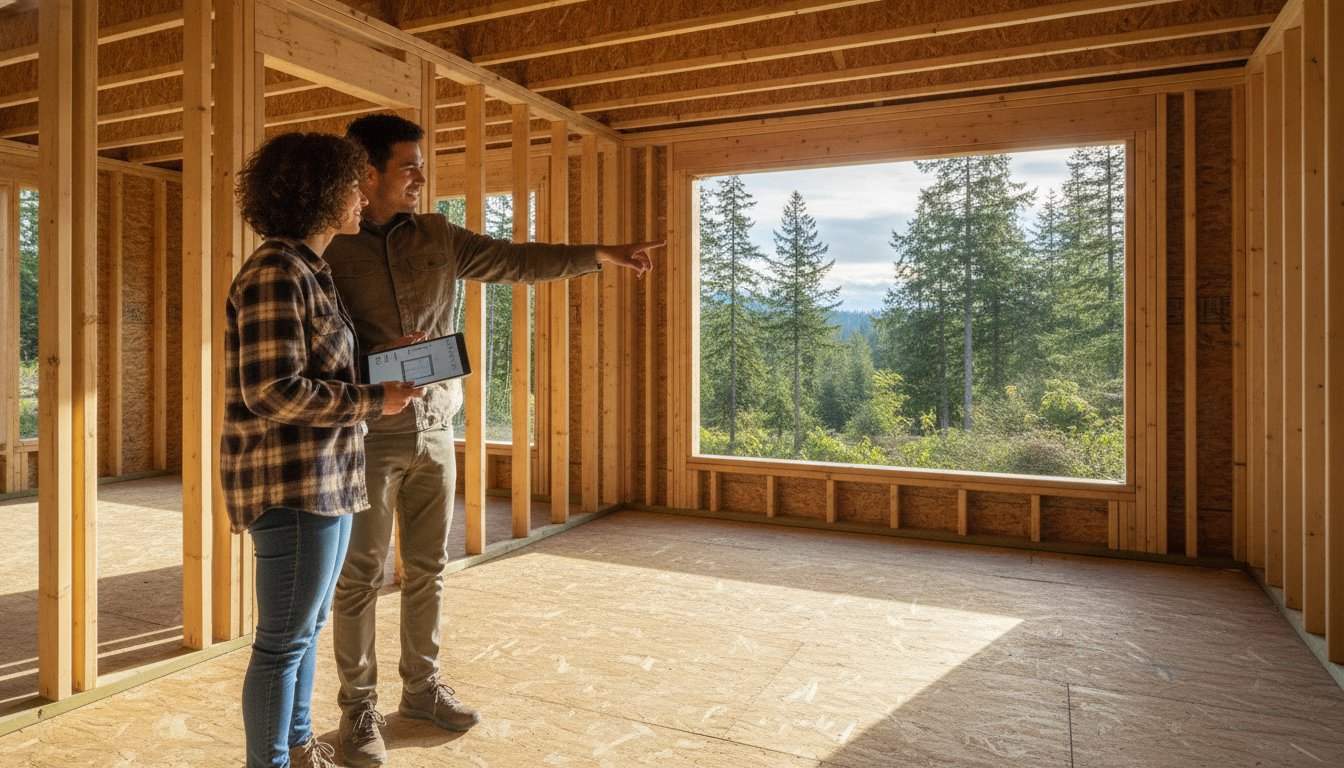

What if the peeling paint and dated carpet you see at an open house are actually the best things about the property? Most buyers walk away from a mess, but you know that a little grit can lead to a high return. Still, it's hard not to worry about hidden structural costs or getting overwhelmed by the scale of the work. You want to ensure your investment in Nanaimo or Lantzville is a profitable project rather than a financial disaster.
We understand that uncertainty. This expert, contractor-led guide teaches you exactly what to look for when buying a fixer upper so you can separate cosmetic flaws from structural money pits. You'll learn how to navigate the latest 2026 BC zoning regulations and the streamlined permit processes that affect Vancouver Island homeowners. We provide a clear viewing checklist and a roadmap for your first 90 days of ownership. By the end of this article, you'll have the confidence to make a move on the right house and skip the ones that will only drain your bank account.
Key Takeaways
- Learn how to distinguish between simple cosmetic updates and high-cost structural red flags like foundation cracks or sagging rooflines.
- Discover exactly what to look for when buying a fixer upper by inspecting critical hidden systems, including electrical panels and plumbing health.
- Understand the impact of the Vancouver Island climate and why maintaining gutters and removing moss is essential for protecting your property value.
- Identify why the "clean slate" phase, involving professional junk removal and safe site demolition, is the most important first step of any renovation.
- Gain a clear roadmap for your first 90 days of ownership, including how to vet local contractors and which tasks are safe for a DIY approach.
Cosmetic vs. Structural: Defining a "Good" Fixer Upper
Buying the right property means looking past the surface. Many people ask, What is a fixer-upper? In simple terms, it's a home that needs work, but the level of work required determines if you'll see a profit. The old real estate wisdom of buying the "worst house on the best street" still holds true in 2026. This strategy relies on the property's location to carry the value while you focus on improvements. Before you sign any papers, you must calculate the After Repair Value (ARV). This is the estimated market value of the home once all renovations are complete. If your purchase price plus renovation costs exceeds 70 to 80 percent of the ARV, you might be walking into a financial trap.
To help you visualize the potential of these properties and understand what to look for when buying a fixer upper, watch this quick guide on key features to evaluate:
The Cosmetic Sweet Spot
The ideal investment is a home with "ugly" features that are easy to remove. Things like peeling wallpaper, stained carpets, and dated light fixtures often scare away traditional buyers. These are low-cost fixes that offer a high return. For example, a fresh coat of paint and professional pressure washing for the exterior can instantly boost equity. If the kitchen layout is functional, consider "refacing" the cabinets instead of a full gut renovation. Replacing door fronts and hardware is significantly cheaper than a total teardown and still provides a modern, high-end look.
Structural Deal-Breakers to Avoid
Structural issues are where budgets go to die. You need to identify signs of foundation movement, such as sticking doors, sloping floors, or large cracks in the basement walls. These repairs are rarely DIY-friendly and can cost tens of thousands of dollars. On Vancouver Island, older homes often contain hazardous materials. If a house was built in 1990 or earlier, you are required to get a Hazardous Building Material Report before certain renovations or demolitions can proceed. These reports can range from $400 to $2,000 depending on the property size. Always check with the Nanaimo or Parksville city hall for unpermitted previous work. Buying a home with illegal additions can lead to a "Permit Trap" where you are forced to bring old, hidden mistakes up to 2026 building codes at your own expense.
The Inspection Checklist: What to Look for Under the Surface
Once you've cleared the cosmetic hurdles, it's time to dig into the guts of the building. Understanding what to look for when buying a fixer upper requires a critical eye for systems that are often hidden behind drywall or buried in the basement. These invisible components determine whether you'll spend your first year picking out paint colours or replacing a burst pipe. In the 2026 market, buyers who ignore these technical details often find their renovation budgets drained before they even reach the kitchen remodel.
Start with the electrical panel. If you see knob and tube wiring or an old fuse box, expect a full rewire to satisfy modern insurance requirements. Most updated homes now require a 200-amp service to handle modern demands like heat pumps and electric vehicle chargers. Plumbing is equally vital. Look for grey Poly-B piping, which was common in Nanaimo homes built between 1978 and 1995; it's notorious for sudden failure and can make a home difficult to insure. Galvanized steel pipes are another concern, as they rust from the inside out and severely restrict water flow over time.
Don't ignore the roof and HVAC systems. A roof with curling shingles or missing granules might only have a year or two of life left, which can be an immediate five-figure expense. Similarly, an aging gas furnace is an energy hog. If the unit is over 15 years old, you should factor in the cost of a modern, energy-efficient heat pump to keep your long-term utility bills manageable and improve the home's overall comfort.
The "Big Three" Systems Check
Turn on multiple faucets at once to test the water pressure and check the basement ceiling for any signs of slow leaks or past water damage. A healthy electrical panel typically features a modern 200-amp service with at least 40 breaker slots to accommodate future renovations and high-demand appliances. If you find yourself overwhelmed by these technical details during a walkthrough, booking a professional assessment can help you avoid a costly mistake before you close the deal.
Attic and Crawlspace Reconnaissance
Grab a flashlight and head into the attic. Look for dark moisture stains or white, fuzzy mould growth on the underside of the roof sheathing. These signs suggest poor ventilation or active leaks that need immediate attention. Check the insulation depth; Vancouver Island standards recommend at least 15 to 20 inches of blown-in cellulose or fiberglass to keep heating costs under control. Finally, watch for "tunnels" in the insulation or droppings, which indicate that rodents or other critters have moved in and damaged the material.
Exterior Integrity: The Vancouver Island Climate Factor
Vancouver Island's lush environment is beautiful, but it's incredibly tough on residential structures. When you're considering what to look for when buying a fixer upper in areas like Nanaimo or Parksville, the exterior environment is often your biggest challenge. Moisture is the primary driver of property damage in our region. If a previous owner neglected basic exterior maintenance, the cost of repair can quickly spiral beyond your initial estimates.
Moss is a major concern that many buyers from drier climates often overlook. It doesn't just look messy; it's physically destructive. Moss acts like a sponge, holding water against cedar shakes or asphalt shingles. This constant dampness leads to rot and premature shingle failure. Similarly, gutter health is non-negotiable. If gutters are clogged with needles and debris, water overflows and pools at the base of the house. This saturated soil puts immense pressure on the foundation and can lead to expensive perimeter drain failure.
Drainage and grading are also critical components of a sound investment. Walk around the property during a heavy rain if you can. You want to see water flowing consistently away from the structure. If the ground slopes toward the house, you're looking at potential basement flooding or persistent crawlspace moisture issues. Check the siding and trim, especially near the ground or where decks meet the house. Soft wood or peeling paint often hides rot that requires a full replacement rather than a simple touch-up.
Moss and Roof Maintenance
Professional moss removal is a non-negotiable first step for Island fixer-uppers. It allows you to see the true condition of the roof deck without the camouflage of green growth. From the ground, look for "soft spots" or sagging areas between the rafters. These often indicate that moisture has already compromised the plywood underneath. Regular gutter cleaning ensures that water stays in the pipes and out of your walls, preventing the kind of deep-seated moisture damage that ruins a renovation budget.
Landscaping and Concrete Health
Evaluate the condition of driveways and walkways for significant trip hazards or large cracks. Check concrete surfaces for major settling, which might suggest underlying soil stability issues. Overgrown trees are another red flag. Roots can invade sewer lines or crack foundation walls, while overhanging branches drop debris that accelerates moss growth and gutter clogs. Keeping these exterior elements in check is vital for long-term property maintenance and safety.

Site Logistics: Junk, Demolition, and Waste Management
Many buyers focus on the final results, but the logistics of the "messy middle" can easily break a project. When you are assessing what to look for when buying a fixer upper, don't ignore the previous owner's leftovers. A house filled with debris or a yard cluttered with old sheds is a liability. You need a clean slate to accurately measure, plan, and execute your vision. Attempting to renovate around piles of junk only leads to accidents and hidden costs.
Waste management in Nanaimo and Lantzville is strictly regulated. You can't just toss old paint cans, tires, or chemicals into a standard bin. Hazardous waste requires specific disposal protocols to avoid heavy fines from local authorities. While renting a bin might seem like a budget-friendly option, the labor of sorting and hauling items yourself often delays the actual renovation. Professional services handle the logistics and the heavy lifting. This allows your skilled trades to start their work on day one without obstacles.
Budgeting for these logistics is just as important as budgeting for new flooring. For homes built in 1990 or earlier, remember that a Hazardous Building Material Report is a legal requirement before any major demolition. These reports can cost between $400 and $2,000. Factoring these "un-glamorous" costs into your initial offer ensures you won't be surprised by the bill before the first hammer even swings.
The Junk Removal Strategy
Professional junk removal speeds up your renovation timeline by clearing the site in hours rather than weeks. Before the contractors arrive, it's helpful to sort through items to decide what is truly "keep" versus "toss." This prevents you from paying to move or store items you don't actually need. Dealing with leftover construction debris safely and legally is the hallmark of a well-managed project. It keeps the site organized and ensures your neighbors stay happy during the process.
Safe Small Demolitions
DIY demolition is often where homeowners run into trouble. It's easy to accidentally cut a live wire or remove a wall that turns out to be load-bearing. Hiring professional demolition services for outbuildings like old sheds or rotted decks is a smart investment in safety. Pros know how to dismantle structures without damaging the surrounding landscape or the main house. Once the site is prepared and cleared, you have the perfect foundation for new construction or updated landscaping.
If you've found a property with potential but are overwhelmed by the cleanup required, contact us today to help you clear the way for your renovation.
The Renovation Roadmap: Hiring Pros vs. DIY
Deciding which tasks to tackle yourself and which to delegate is the final hurdle in your journey. Understanding what to look for when buying a fixer upper includes recognizing your own limitations before the first hammer swings. While painting a bedroom is a safe weekend project, other areas of the home carry significant risks. In the 2026 market, the line between a successful renovation and a legal nightmare often depends on who performs the work.
Plumbing, electrical, and gas work fall firmly into the "Danger Zone." These systems aren't just difficult to master; they carry heavy insurance implications. If you perform uncertified work on these systems, your insurance provider may deny future claims related to water damage or fire. When you vet a contractor in Nanaimo or Parksville, always ask for proof of current liability insurance and WorkSafeBC coverage. A reliable team will provide these documents immediately because they prioritize safety and professionalism.
Creating a realistic timeline is the next step for a smooth project. Based on current industry data, a moderate renovation typically takes 3 to 6 months, while major overhauls can extend beyond a year. We recommend adding a 30% buffer to both your timeline and your budget. This extra space accounts for the inevitable delays in material shipping or the discovery of hidden issues that only appear once the walls are opened up.
Knowing When to Call the Experts
While you focus on the interior, don't ignore the curb appeal. Professional yard care and exterior cleaning provide a high return on investment by protecting the home's structure from moisture and pests. Any structural changes, such as moving a wall or adding a secondary suite under the new BC zoning laws, require a municipal permit and a qualified professional. Hiring a fully insured contractor ensures that you aren't personally liable for accidents or property damage during the construction process.
Budgeting for Success in 2026
Allocate a specific portion of your funds for "unseen" issues discovered behind walls or under floorboards. These surprises are common in older Vancouver Island homes and can quickly derail a tight budget. To get an accurate quote for small demolitions, ensure your contractor visits the site to evaluate access points and the volume of material to be removed. Your final walkthrough should confirm that all systems are operational and the property is safe for habitation. This meticulous approach ensures your new investment is move-in ready and built to last.
Build Your Future on a Solid Foundation
You now have a comprehensive understanding of what to look for when buying a fixer upper, from spotting the cosmetic sweet spot to identifying structural deal-breakers. Success in the 2026 market requires a balance of local knowledge and technical precision. We've discussed how to prioritize exterior integrity against Vancouver Island moisture and why planning your site logistics is vital for a smooth start. By focusing on these invisible systems first, you protect your investment and ensure your renovation remains on track.
A clean slate is the most important part of any project. Clearing out debris and handling small-scale demolitions safely sets the stage for a high-quality finish. Ready to start your renovation? Contact JBM Custom Contracting for a professional assessment and quote. We are fully certified and insured professionals serving Nanaimo, Lantzville, and the Cowichan Valley. Our team provides reliable, no-nonsense property solutions that give you peace of mind from day one. You don't have to handle the heavy lifting alone. With the right local partners, your diamond in the rough will become the home you've always wanted.
Frequently Asked Questions
Is buying a fixer-upper actually cheaper than buying a move-in ready home?
Buying a fixer-upper is typically cheaper upfront, as these properties often list for 10% to 20% below market value. However, the total cost depends on how well you manage the renovation. If you know what to look for when buying a fixer upper, you can find a property where the purchase price plus repair costs stays well below the final market value. This creates instant equity that a move-in ready home cannot offer.
What are the biggest red flags to look for during a house viewing?
Focus your attention on the foundation and major systems rather than the decor. Large horizontal cracks in basement walls, sagging rooflines, and the presence of outdated knob and tube wiring are significant warning signs. You should also watch for signs of moisture, such as a persistent musty smell or water staining on the ceiling. These issues often represent high repair costs that don't always translate into visible aesthetic improvements.
Can I live in the house while I am doing major renovations?
You can live in the home, but it is often stressful and can slow down the construction timeline. Living in a construction zone means dealing with constant dust, noise, and limited access to essential areas like the kitchen or bathrooms. If your project involves hazardous material removal or significant structural changes, staying elsewhere is usually safer. It allows our teams to work more efficiently without needing to reset the site for your use every evening.
Do I need a permit for cosmetic changes like painting or flooring?
No, you generally don't need a permit for purely aesthetic updates in BC. Tasks like painting, installing new carpets, or changing light fixtures are typically exempt from building permits. For inspiration on high-impact aesthetic transformations, you can check out Cabinet refinishing Denver to see how professional techniques can modernize a kitchen without structural changes. However, if your "cosmetic" change involves moving a plumbing fixture or altering a structural wall, you must check with your local Nanaimo or Parksville building department. Always verify these requirements before you start to avoid fines or complications during a future home sale.
How do I know if a wall is load-bearing before I knock it down?
You should never assume a wall is non-structural without a professional assessment. Generally, walls that run perpendicular to floor joists or sit directly above other walls in the basement are load-bearing. However, modern homes often have complex truss systems that make this difficult to identify from the surface. Knocking down the wrong wall can cause your ceiling to sag or your roof to collapse, so always consult a qualified contractor before starting any demolition.
What is the first thing I should do after getting the keys to a fixer-upper?
Secure the property and clear the site of any debris left by the previous owner. This is the critical "Clean Slate" phase. Before you start any new construction, you need to see exactly what you're working with. Hiring a professional service for junk removal and exterior cleaning ensures that your tradespeople have a safe, organized environment to begin the actual renovation work. It also helps you spot any hidden issues early.
How much should I budget for unexpected repairs in an old home?
You should set aside a contingency fund of at least 10% to 20% of your total renovation budget. Older homes often hide issues behind drywall that aren't visible during a standard inspection. This buffer covers common surprises like rot, inadequate insulation, or outdated plumbing. Having this cash on hand prevents your project from stalling when an "unseen" problem inevitably arises during the initial demolition phase of the project.
Is it worth fixing up a house with a damp basement on Vancouver Island?
It's definitely worth it if the dampness is caused by poor drainage or gutter neglect rather than a failing foundation. On Vancouver Island, high rainfall makes exterior maintenance essential for a dry home. Often, cleaning the gutters and regrading the soil away from the house can solve moisture issues. If the foundation is sound, these are manageable fixes that can significantly increase the home's value and create usable square footage.