
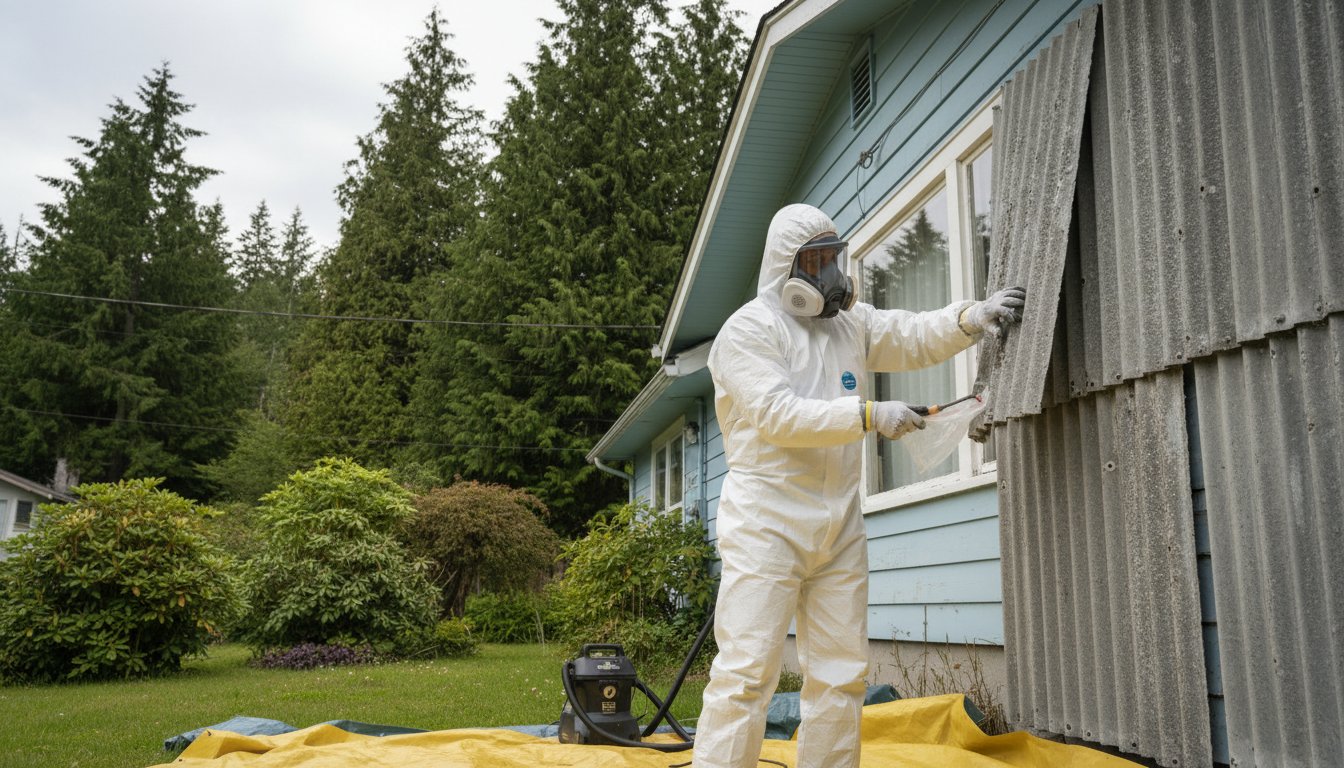

Could the very walls protecting your family in Nanaimo or Duncan actually be harboring a microscopic health risk? If your Vancouver Island home was built before 1990, there is a high probability that your exterior contains hazardous fibers. It's a stressful realization for any homeowner, especially when you start thinking about the health of your family or the strict WorkSafeBC regulations that govern safe asbestos siding removal. You want your home to be a sanctuary, not a source of worry about toxic exposure or expensive legal fines.
We understand that the thought of asbestos abatement feels overwhelming and costly. You aren't alone in this; in fact, hundreds of property owners across the Cowichan Valley face these exact same concerns every year. This guide provides a clear, professional path forward. You'll learn how to identify if your siding is actually dangerous, how to manage it safely, and how to stay compliant with BC safety laws. We'll walk you through the entire professional removal process so you can make an informed, confident decision for your property's future.
Identifying Asbestos Siding on Vancouver Island Homes
If your home in Nanaimo or Duncan was built between 1940 and 1985, there's a high probability that the exterior contains asbestos. This material was a staple in British Columbia construction for decades because it was fire-resistant and incredibly durable. Understanding what you're looking at is the first step toward safe asbestos siding removal. Most homeowners find this material on houses built during the post-war housing boom, where it was marketed as a "lifetime" siding solution.
The material is technically known as Asbestos Cement Siding. It consists of a rigid mixture of Portland cement reinforced with roughly 10% to 15% asbestos fibers. In its original state, this siding is classified as non-friable. This means the dangerous fibers are locked into a hard matrix and won't fly away if the boards are left alone. The risk changes the moment you start a renovation; if you break, saw, or nail into these panels, the material becomes friable and releases microscopic dust into the air.
To better understand this concept, watch this helpful video:
Common Signs of Asbestos Cement Siding
Identifying this material often starts with a visual check of the texture and shape. It usually looks like a rigid shingle or a slate tile, often with a wood-grain pattern pressed into the surface. You'll notice the edges are often wavy or "scalloped," though straight-edged rectangular panels were also common in the 1960s. Unlike modern vinyl or cedar, this siding is very brittle; it doesn't bend, and it will snap like a ceramic plate if you try to pry it off. You might find brand names like Johns-Manville, Gold Bond, or Keasbey & Mattison if you look at the back of discarded pieces. It's vital that you don't sand or scrape this material to prep it for paint, as this creates immediate health hazards.
The Importance of Professional Testing in BC
You can't confirm asbestos just by looking at it. A visual DIY check is never 100% accurate because many cellulose-based products from the same era look identical. Professional testing is the only way to ensure safe asbestos siding removal and stay compliant with WorkSafeBC regulations. In the Nanaimo and Cedar area, local labs can process a sample for approximately C$50 to C$100. This is a small price to pay when you consider that WorkSafeBC fines for improper handling can exceed C$100,000 for serious violations. Taking a small sample involves wearing a respirator and wetting the material to prevent dust, but it's often safer to have a certified technician handle the sampling for you.
While avoiding legal fines is a priority, protecting your professional image from the fallout of public records is equally vital; for help addressing problematic search results, check out Content Removal.
Why "Safe" Means Professional: Health and WorkSafeBC Rules
Removing old siding might seem like a simple weekend project, but when asbestos is involved, the stakes change instantly. At JBM Custom Contracting, we focus on safety and precision for every demolition project because the risks to your family and the community are permanent. Safe asbestos siding removal isn't just about taking material down; it’s about containing a hazardous substance that requires specialized equipment and training. We don't take shortcuts because we know that professional handling is the only way to ensure your property remains a healthy environment.
The Danger of Microscopic Fibers
Asbestos siding is relatively safe while it's sitting undisturbed on your house. The danger starts the moment you break a corner, drill a hole, or use a pressure washer. These actions release microscopic fibers that are so small they stay airborne for several hours. You won't see them, smell them, or feel them in your throat, but they can settle deep into lung tissue. Even a single day of improper removal can create a long-term health risk for anyone on the property. Mesothelioma is a rare and aggressive cancer of the lung lining caused almost exclusively by inhaling asbestos fibers in residential or industrial settings. Learning about the Health Risks of Asbestos helps homeowners understand why professional containment is a necessity rather than an option. Our team uses specific wetting agents and HEPA filtration to keep these fibers out of the air you breathe.
In addition to securing your environment, maintaining a relationship with health professionals is key; Sage Creek Pharmacy exemplifies the type of personalized care that helps families prioritize their long-term well-being.
Local Regulations and WorkSafeBC Compliance
In British Columbia, WorkSafeBC sets the standard for how hazardous materials are managed. For any project involving asbestos, a Notice of Project (NOP) must be filed at least 48 hours before work begins. This isn't just paperwork; it’s a legal requirement that ensures the work follows Occupational Health and Safety (OHS) rules. Hiring general laborers for this task is illegal in BC if they aren't trained and certified in abatement. Professionals use negative air machines, sealed containment zones, and specialized suits to ensure no dust escapes the work area.
For more information on how leading contractors maintain these high safety standards, you can explore Asbestos Abatement through the expert resources at TSIAC International.
Disposal in the Nanaimo area is equally regulated. The Regional District of Nanaimo (RDN) landfill requires that all asbestos-containing waste be double-bagged in 6-mil poly bags and sealed with duct tape. You also need a Waste Manifest and pre-approval before arriving at the facility. Improper disposal can lead to heavy fines and environmental damage. If you're feeling overwhelmed by these rules, you can book a free consultation to see how we handle the logistics for you. We make sure your home stays clean and your project remains fully compliant with every local law.
The Step-by-Step Process of Safe Asbestos Siding Removal
Safe asbestos siding removal isn't just about pulling boards off a wall. It's a highly controlled procedure designed to keep your family and our crew protected from microscopic hazards. We follow strict WorkSafeBC protocols on every job site in Nanaimo and Duncan. This systematic approach ensures that every fiber is accounted for and safely contained from start to finish. Our team focuses on precision and safety so you can have peace of mind during your home renovation.
Containment and Protection
Before we touch a single shingle, we establish a "hot zone" around the work area. Our crew seals every window, door, and vent with 6-mil polyethylene sheeting. This heavy duty plastic creates an airtight barrier that prevents dust from entering your home. We also lay plastic on the ground extending 3 meters from the wall to catch every piece of debris. Our team wears specialized PPE, including disposable coveralls and P100 respirators. These respirators are non-negotiable; they filter out 99.97% of airborne particles to keep our workers safe.
The "wet method" is a cornerstone of our safety strategy. We use a garden sprayer to mist the siding with water mixed with a wetting agent. This moisture weighs down the asbestos fibers. If a tile breaks, the dampness prevents the dust from becoming airborne. It's a simple but vital step that transforms a high-risk task into a manageable, professional service. We maintain this moisture level throughout the entire removal process to ensure the air stays clean for your neighbors and the environment.
Removal and Disposal Logistics
We avoid aggressive demolition techniques that shatter the material. Instead, we use careful hand-prying to remove each piece of siding intact. This minimizes the release of dust and makes the cleanup much more efficient. Once the material is removed, we immediately double-bag it in labeled, 6-mil hazardous waste bags. These bags are sealed with a "goose-neck" tie and duct tape to prevent leaks during transport to a licensed facility like the Nanaimo Regional Landfill.
After the siding is gone, the work isn't finished. We perform a final site decontamination using HEPA-filtered vacuums. These specialized machines are designed to trap microscopic fibers that standard shop-vacs would simply blow back into the yard. We finish the project with an independent air clearance test. This provides a professional verification that your property is 100% safe to inhabit. By following these rigorous steps, we ensure that safe asbestos siding removal is handled with the professionalism and reliability you expect from JBM Custom Contracting.
Comparing Your Options: Encapsulation vs. Full Removal
Deciding whether to cover up your old shingles or invest in professional safe asbestos siding removal is a major crossroads for homeowners in Nanaimo and Duncan. If your existing siding is in perfect condition and isn't being disturbed, leaving it alone is a valid choice. However, most people find that delaying the work only creates more expensive hurdles down the road. You have to weigh the immediate savings of a "cover-up" against the long-term value of a clean, hazard-free property.
Encapsulation: The Temporary Solution
Encapsulation involves painting the shingles or, more commonly, "siding over" them with new vinyl or fiber cement boards. This approach avoids the immediate costs associated with specialized disposal and air monitoring. It's often chosen when a budget is tight, but it's important to understand that you're effectively burying a problem rather than solving it.
In British Columbia, the Property Disclosure Statement (PDS) requires you to be honest about known hazardous materials. Even if the asbestos is hidden behind brand-new siding, you must disclose its presence to potential buyers. This often leads to friction during a sale. Buyers in Ladysmith and Nanaimo are increasingly savvy about older homes. If they discover they'll eventually have to deal with "buried" asbestos to install new windows or a heat pump, they may demand a price reduction or walk away from the deal entirely.
Preparing your home for modern upgrades is a key benefit of full removal; if you are researching high-performance exterior solutions, you can visit Window Galaxy USA to see how quality window replacements can further enhance your renovation.
- Encapsulation doesn't eliminate the hazard; it only masks it.
- Future renovations, like adding a deck or replacing a door, will still require hazardous material protocols.
- Drilling through new siding into the asbestos underneath can release dangerous fibers into your yard.
Full Removal: The Permanent Fix
Choosing safe asbestos siding removal is an investment in your home's future. As of January 1, 2024, new WorkSafeBC regulations require asbestos abatement contractors to be licensed, which has standardized the safety levels you should expect. Removing the material entirely provides total peace of mind for your family and any future contractors working on your exterior.
For commercial entities or property managers navigating these types of complex regulatory environments, you may want to check out JZ Law for expert legal counsel.
For property investors who need fast, flexible financing to handle these types of remediation challenges, check out JGL Capital LLC for asset-backed lending solutions.
At JBM Custom Contracting, we help you bridge the gap between demolition and a beautiful new exterior. We handle the professional abatement with precision and then transition straight into the construction phase. This ensures your home isn't just safe, it's also updated with modern, energy-efficient materials that actually boost your property value.
To complement these energy-efficient upgrades, you can discover Third Coast Spray Foam and explore how high-performance insulation solutions can maximize your home's protection and comfort.
Ready to clear the way for your home renovation? Contact JBM Custom Contracting today for a professional consultation and a reliable estimate.
Reliable Asbestos and Demolition Solutions in Nanaimo and Duncan
JBM Custom Contracting specializes in small-scale demolition projects that prioritize safety and precision. We know that homeowners in Nanaimo and Duncan face unique challenges with older properties built between 1950 and 1990. When you need safe asbestos siding removal, our team provides a streamlined process that minimizes risk to your family and the environment. We handle the heavy lifting so you don't have to worry about the technical details of managing hazardous waste on your own.
The JBM Difference: Professional and Reliable
We take pride in being a "Certified & Fully Insured" team. This isn't just a label; it's your guarantee that we follow strict BC building codes and WorkSafeBC safety standards. Our crew treats your home like their own. We focus on leaving your property cleaner than we found it, ensuring no debris or dust stays behind after the job is done. For projects beyond siding, we offer comprehensive Small Demolitions & Construction services tailored to your specific needs. Since our founding, we've maintained a reputation for being the no-nonsense, get-the-job-done partner for Vancouver Island residents.
Proper disposal is a non-negotiable part of our service. We coordinate all waste logistics through local facilities like the Regional District of Nanaimo (RDN) landfill or the Cowichan Valley Regional District waste centers. We ensure that 100% of the hazardous material is bagged, sealed, and transported according to provincial regulations. This commitment to recycling and responsible waste management protects our Island's natural beauty and keeps our local communities safe from contamination.
Serving Vancouver Island from Nanaimo to Qualicum Beach
Our local knowledge spans from the quiet streets of Cedar and Ladysmith to the growing neighborhoods in Parksville and Qualicum Beach. We understand the specific architectural styles and common building materials used in these areas over the last 70 years. This expertise allows us to coordinate seamlessly with your broader renovation or landscaping plans. Whether you're stripping old siding to prep for a modern look or clearing space for a new garden, we align our schedule with your timeline.
If your vision for the property includes a complete remodel or the addition of an ADU after the remediation is complete, you can visit Builders Group And Design to see how professional construction teams manage ground-up residential projects.
What can you expect during your free property maintenance consultation? We'll walk through your site and provide a clear, honest assessment of the work required. We explain the timelines and safety protocols required for safe asbestos siding removal without using confusing jargon. You'll receive a detailed plan that outlines every step of the process. Ready to start your project? Book your safe siding removal consultation today and experience property maintenance you can trust.
Protect Your Vancouver Island Home and Family
Handling older siding on Vancouver Island requires more than just a standard renovation approach. Because WorkSafeBC enforces strict protocols for hazardous materials, homeowners in Nanaimo and Duncan must prioritize safety to avoid long term health risks and legal complications. You've learned that identifying these materials early and choosing full extraction over temporary fixes are vital steps in maintaining your property value. Safe asbestos siding removal isn't a DIY project; it's a technical process that demands precision and the right equipment to keep your air clean.
JBM Custom Contracting provides the reliable expertise you need. We're Certified & Fully Insured and strictly WorkSafeBC Compliant, ensuring every job meets provincial safety standards. Serving Nanaimo, Duncan, and Qualicum Beach, our team focuses on efficient results that leave your property spotless. Don't leave your family's health to chance when professional help is available.
We look forward to helping you make your home a safer place to live.
Frequently Asked Questions
Is asbestos siding dangerous if it is in good condition?
Asbestos siding is generally not dangerous if it remains in good condition and stays undisturbed. Since it is a non-friable material, the harmful fibers are locked into a cement matrix. You only face health risks when the siding is cut, sanded, or broken; these actions release microscopic dust into the air. If your siding is intact and you aren't planning renovations, it poses a low risk to your family.
Can I remove asbestos siding myself in British Columbia?
You are legally allowed to remove asbestos siding from your own home in British Columbia, but it's rarely recommended for safety reasons. WorkSafeBC sets strict protocols for handling hazardous materials to prevent air contamination. You'll need specific respirators, polyethylene sheeting, and specialized disposal bags. Most local landfills in Nanaimo and Duncan also require specific permits and proof of proper packaging before they'll accept the waste.
How much does professional asbestos siding removal cost?
The cost for professional asbestos siding removal in BC typically ranges from C$8 to C$15 per square foot. For a standard 1,500 square foot home, homeowners often pay between C$12,000 and C$22,500 depending on the complexity of the job. These figures include labor, specialized equipment, and hazardous waste disposal fees. Getting a site-specific quote ensures you have an accurate budget for your property maintenance project; additionally, to help you plan for the costs of other exterior upgrades, check out Window Galaxy USA for a comprehensive guide on choosing quality replacements.
How can I tell if my siding contains asbestos without a lab test?
You cannot definitively identify asbestos without a lab test, but homes built between 1940 and 1985 often used these materials. Asbestos siding usually looks like rigid, brittle shingles or large 12 by 24 inch panels with a wood grain texture. If you see "Transite" markings on the back of a panel, it's a clear sign of asbestos. However, 100% confirmation requires sending a sample to a certified lab in Nanaimo for analysis.
Will removing asbestos siding increase my home value?
Professional safe asbestos siding removal often increases home value by making the property easier to finance and insure. Many mortgage lenders and insurance providers in BC view asbestos as a liability, which can deter 70% of potential buyers. By replacing old siding with modern materials, you improve curb appeal and provide a clean air quality report. This documentation gives buyers peace of mind and often leads to faster sales.
Just as you protect your home’s value by removing physical hazards, ensuring your online presence is clear of damaging material is equally important; Content Removal specializes in helping individuals and businesses manage their digital footprint.
What happens if I accidentally break a piece of asbestos siding?
If you break a piece of siding, don't use a vacuum or broom to clean up the debris. These tools spread fibers into the air where they can be inhaled. Instead, lightly mist the area with water to keep the dust down and carefully place the pieces into a 6-mil thick plastic bag. Sealing the area immediately helps maintain safety until you can arrange for a professional inspection or proper disposal.
How long does the safe removal process typically take for a standard home?
A professional safe asbestos siding removal project for a standard two-story home usually takes 3 to 5 business days. This timeline includes site preparation, the actual removal, and a thorough HEPA vacuuming of the surrounding grounds. Factors like the height of the building and the total square footage can adjust this schedule. Our team focuses on being efficient so you can move forward with your home renovations as quickly as possible.
As you plan for a more efficient and comfortable home following your renovation, you can check out Cape Coral Insulation to learn more about the role of professional insulation in maintaining a high-performance building envelope.