
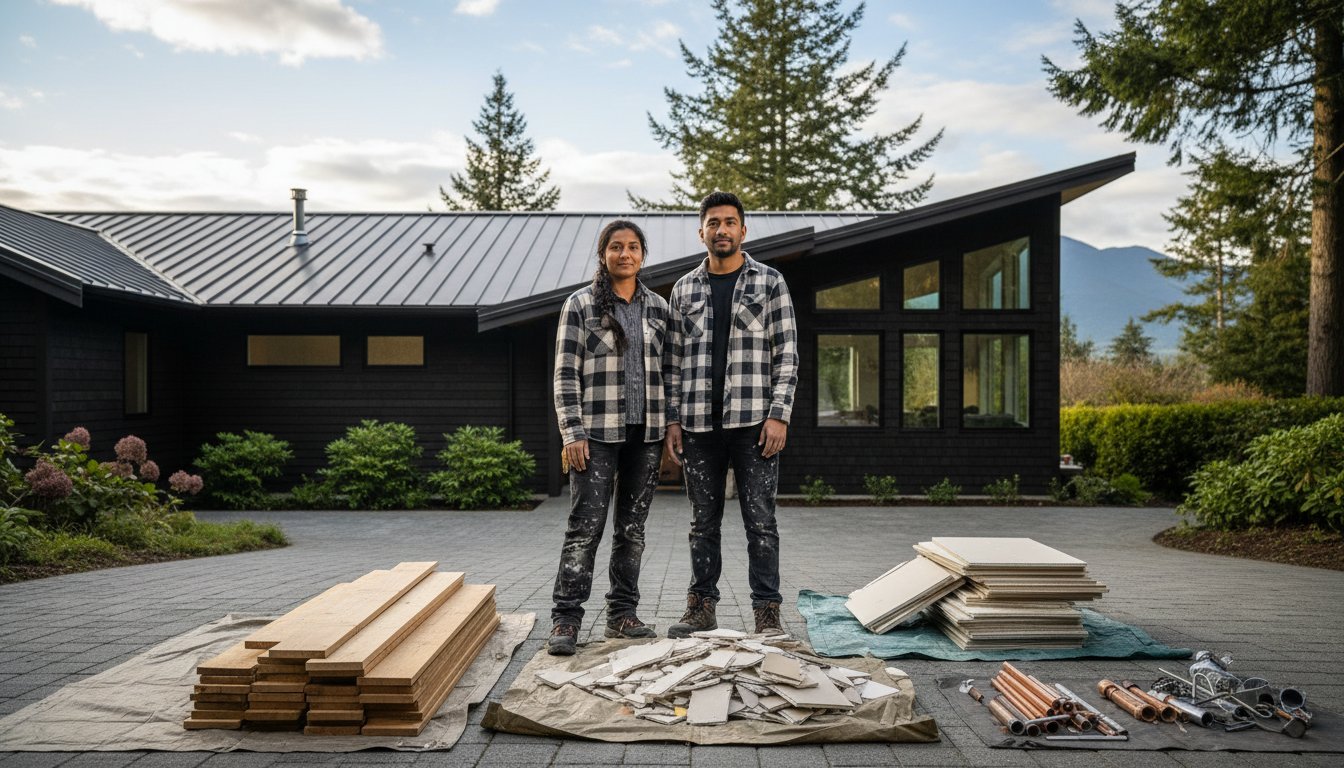

Did you know that a single load of mixed debris could cost you $205 per tonne at some Central Vancouver Island landfills if it isn't sorted correctly? It's a frustrating reality for many homeowners who realize too late that managing the mess is often the most expensive part of a renovation. You likely started your project with a vision for a beautiful new space, but now you're stuck staring at a mountain of old wood and drywall that's causing both back pain and a massive headache. It's confusing to keep track of changing bylaws, and nobody likes getting hit with a 150 percent surcharge just because a few recyclables ended up in the wrong pile.
We understand that you want a clean property without the stress of hidden fees or compliance issues. This guide will show you how to handle demolition waste disposal like a pro, ensuring you stay within local BC regulations while keeping your costs down. We'll cover everything from current tipping fees in the RDN to the specific rules for handling materials from homes built before 1990. By the end of this article, you'll have a practical plan to clear your site safely, affordably, and efficiently.
What Is Demolition Waste and Why Does It Matter?
When you're tearing down an old shed or ripping out a dated kitchen, you aren't just making a mess; you're creating a specific category of debris. This isn't the same as the bags of trash you put on the curb every week. Construction and demolition (C&D) waste consists of heavy, bulky materials like concrete, old-growth timber, metal pipes, and sheets of drywall. Understanding exactly What is Demolition Waste is the first step toward a clean property because it dictates how you'll handle demolition waste disposal.
Your local curbside pickup service is designed for lightweight household items, not the heavy remnants of a structural renovation. Most municipal trucks aren't equipped to lift heavy concrete or long pieces of lumber; additionally, landfill rules often forbid mixing these materials with regular food waste. If you leave a pile of shingles or drywall at the curb, it will likely stay there, potentially leading to local fines or a very unhappy neighborhood association.
To better understand how these materials are processed and recycled, watch this helpful video:
The Environmental Impact of Construction Debris
C&D waste makes up nearly one-third of the total volume in BC landfills. It's a staggering amount of material that often shouldn't be there. When you dump everything into a single "mixed load," you're choosing the most expensive and least sustainable option. For example, in the Regional District of Nanaimo, wood waste costs $275 per tonne to dispose of, while standard loads are $160. Proper demolition waste disposal involves sorting your debris to keep reusable materials like brick or old timber out of the landfill while keeping your costs down.
Safety First: Handling Hazardous Materials
Sorting Your Debris: The Secret to Lower Disposal Costs
Sorting your debris is about more than just staying organized. It's a financial strategy. If you toss everything into one bin, you're inviting the highest tipping fees and heavy surcharges. For instance, Comox Strathcona Waste Management applies a 150 percent surcharge on loads containing more than 10 percent recyclables. By organizing your site from day one, you protect your budget and ensure a much smoother removal process.
Effective demolition waste disposal starts with a clear plan for your piles. Follow these steps to keep your project on track:
- Create dedicated piles for wood, metal, and masonry immediately. Don't let them get buried under general trash.
- Separate "clean" wood from treated, stained, or painted lumber. In the Regional District of Nanaimo, wood waste fees are $275 per tonne for loads over 50kg. Keeping this separate prevents your entire load from being charged at the higher rate or rejected entirely.
- Identify scrap metal like copper pipes, brass fittings, or aluminum siding. These materials often have resale value at local scrap yards, which can put a little cash back in your pocket.
- Bag soft debris such as old carpets and insulation separately. This keeps your site clean and prevents lightweight materials from blowing into your neighbor's yard.
- Check for restricted items. Many Local Regulations and Landfill Rules require special handling for tires, appliances, or electronics.
The Drywall Headache: Testing and Bagging
Drywall is a major hurdle for homeowners across Central Vancouver Island. Because of the high risk of asbestos in homes built before 1990, facilities are very strict. In the Cowichan Valley, regular recycling centres won't even accept construction waste likely to contain asbestos. You'll need to get your drywall tested at a lab in Nanaimo or Duncan. Once cleared, it must be properly bagged and sealed before transport. If you're feeling overwhelmed by the regulations, our reliable junk removal services can help you navigate the paperwork and disposal requirements safely.
Managing Concrete and Masonry
Concrete and masonry are incredibly heavy, which makes them expensive to move. At the West Coast Landfill in the ACRD, you'll pay $194 per tonne for this type of waste. Because of the weight, these materials should never go into a standard trash bin or a light-duty trailer. Instead, consider crushing old pavers or bricks to use as a sturdy base for a new garden path or patio. For larger projects, professional concrete solutions are often the most efficient way to handle the heavy lifting and hauling without risking a back injury.
Comparing Disposal Options: DIY Hauling vs. Professional Services
Choosing the right method for demolition waste disposal depends on three things: your budget, your timeline, and the strength of your back. For a tiny project like replacing a single window or a small bathroom vanity, DIY hauling is often the most cost-effective path. You can load up your own truck and head to the local landfill, paying the minimum $8 flat rate for loads under 50kg in the Regional District of Nanaimo. Just remember that you must secure your load properly; otherwise, you'll face a $25 surcharge before you even reach the scale.
Once you move past a single truck bed, the logistics get complicated quickly. Many homeowners assume a dumpster rental is the default choice for larger renovations. While bins are great for tossing debris as you work, they come with hidden challenges that big rental companies often gloss over. You have to do all the physical loading yourself, which can lead to injury or burnout. Plus, you need to consider driveway protection to prevent the heavy steel from cracking your concrete. If the bin needs to sit on a public street in Nanaimo, you'll also need to manage municipal permits and safety pylons.
Full-service junk removal is the professional alternative that eliminates the physical labor and logistical guesswork. Instead of a bin sitting on your property for weeks, a team arrives with a truck and clears the site in a few hours. This is particularly valuable when dealing with high-volume materials. EPA data on demolition debris shows that these projects generate a massive amount of weight that can easily exceed the limits of a standard utility trailer or rental bin.
When to Rent a Bin
Bin rentals are ideal for long-term projects where you want to keep the site tidy as you go. They come in sizes ranging from 10-yard containers for small cleanups to 40-yard giants for major structural work. However, be wary of the total cost. Most companies charge a delivery fee, a daily rental fee, and then a weight fee on top of that. If you accidentally throw in heavy concrete or wet wood, you might find yourself paying significant over-weight penalties that weren't in your original budget.
The Benefits of Professional Junk Hauling
Hiring a professional team is about more than just avoiding heavy lifting. It's about speed and reliability. A professional crew can clear a backyard full of debris in a single morning, saving you from making multiple weekend trips to the landfill. Because they are "Certified & Fully Insured," you don't have to worry about property damage or liability. They also handle the sorting for you, ensuring that metal, wood, and concrete are sent to the correct recycling facilities to meet local BC bylaws.
Local Regulations and Landfill Rules in Central Vancouver Island
Staying compliant with local bylaws is the most important part of your project once the physical work ends. In the Regional District of Nanaimo (RDN), the rules are strict to ensure the region meets its "Zero Waste" goals. As of May 2026, the tipping fee for municipal solid waste, which includes most demolition waste disposal, is $160 per tonne for loads over 50kg. If you're hauling wood specifically, be prepared for a higher rate of $275 per tonne. These fees are designed to encourage residents to sort their materials before arriving at the scale.
The Cowichan Valley Regional District (CVRD) operates under a different set of requirements. One of the biggest surprises for homeowners in Duncan or Mill Bay is that local recycling centres do not accept any construction debris likely to contain asbestos. This includes drywall from most homes built before 1990. You can't just drop these materials off at your nearest station; they must be taken to specialized facilities like Coast Environmental in Duncan or the Cedar Road landfill in Nanaimo. Understanding these distinctions prevents you from wasting time and fuel on a trip that ends in a rejected load.
Local "Zero Waste" centres will absolutely reject certain prohibited items. This list usually includes:
- Hazardous liquids like old paint, solvents, or fuel.
- Major appliances and electronics.
- Tires and lead-acid batteries.
- Materials contaminated with food waste.
Permits for Small Demolitions
If you're planning to tear down a deck or a shed in Ladysmith or Cedar, don't pick up the sledgehammer just yet. Many local municipalities require a demolition permit for any structure over 10 square metres. These permits often require you to submit a waste management plan that outlines how you intend to handle demolition waste disposal. At JBM, we specialize in "safe and efficient" teardowns, managing both the physical removal and the necessary compliance paperwork. If you want to ensure your project is done right, book a free demolition consultation with our professional team today.
Recycling Centres Near Nanaimo and Duncan
The Cedar Road Landfill in Nanaimo and the Bings Creek Recycling Centre in Duncan are the primary hubs for debris management in our area. It's important to know the difference between a transfer station and a full-service landfill, as smaller transfer stations often have much tighter limits on the volume of construction waste they can accept. Local rules and fees change frequently, so it's best to check the current district website before you drive out to the facility.
Professional Demolition and Disposal with JBM Custom Contracting
When you're facing a mountain of debris, you need more than just a truck; you need a partner who understands the local landscape. JBM Custom Contracting has built a reputation as the go-to for professional and reliable property maintenance on Central Vancouver Island. This standard of professional care is also exemplified by companies like LBH Building & Property Services, which provides high-quality building and home improvement services. We don't just "dump" your materials. Our team focuses on responsible demolition waste disposal by meticulously sorting every load. This commitment ensures that recyclables like metal and clean wood are diverted from landfills, helping our communities reach their environmental goals while keeping your project compliant with local bylaws.
From Demolition to Concrete Solutions
One of the biggest challenges in any teardown is the "heavy stuff." Concrete foundations, old patios, and masonry can be nearly impossible for a homeowner to move without specialized equipment. We provide comprehensive concrete solutions that include both the demolition and the site prep required for your new build. By integrating our junk removal services with our demolition expertise, we offer a seamless experience from start to finish. You can view our junk removal pricing to help with your project planning, ensuring there are no surprises when it comes time to clear the site.
Get a Clean Start Today
Our "No-Hassle" promise is simple: we show up on time, we do the hard work, and we leave your property spotless. We understand that a renovation is stressful enough without having to worry about lingering piles of trash or hidden landfill fees. We proudly serve Nanaimo, Duncan, Ladysmith, and all the surrounding communities with a focus on efficiency and customer satisfaction. We can even combine your cleanup with final touches like power washing or yard care to give your home a complete refresh. Don't let the mess hold your project back any longer. Book your free demolition waste consultation with JBM and let our professional team handle the heavy lifting for you.
Take Control of Your Property Today
Managing a renovation is a major undertaking, but the cleanup shouldn't stand in the way of your progress. You've learned that smart sorting saves money. You also know that staying current with local tipping fees helps you avoid the high surcharges that catch many homeowners off guard. Whether you're navigating specific drywall rules in the Cowichan Valley or managing heavy concrete in Nanaimo, a solid plan for demolition waste disposal is the key to a successful project.
You don't have to tackle the heavy lifting and logistical headaches on your own. JBM Custom Contracting has been serving Central Vancouver Island for years with 100% professional and reliable service. As a certified and fully insured team, we provide the peace of mind you need to focus on your home's future rather than its past debris. We're ready to help you clear the way for your next big idea. It's time to enjoy your clean, refreshed space.
Frequently Asked Questions
How much does demolition waste disposal cost in Nanaimo?
Disposal costs depend on the weight and type of material you're hauling. For loads over 50kg, the Regional District of Nanaimo (RDN) charges $160 per tonne for general construction and demolition waste. If you're disposing of wood waste, the fee is higher at $275 per tonne. Small loads under 50kg are charged an $8 flat rate. Don't forget to secure your load, or you'll face a $25 surcharge at the scale.
Can I put construction debris in my regular garbage bin?
No, you can't put heavy construction materials in your standard curbside garbage bin. Residential pickup services are designed for lightweight household trash and won't accept items like concrete, lumber, or drywall. Attempting to mix these materials can result in your bin being left on the curb or potential fines from your municipality. You'll need to haul these items to a designated landfill or hire a professional removal service.
Do I need to test my drywall for asbestos before disposing of it?
Yes, any home built before 1990 requires an asbestos test for drywall mud and gypsum board before disposal. Facilities in Nanaimo and the Cowichan Valley require a certified lab report to ensure the material is safe for their workers. If the test comes back positive, you must follow specific abatement and bagging procedures. This is a critical step in safe demolition waste disposal to protect the community and the environment.
What is the best way to get rid of old concrete from a patio?
The most efficient way to handle old concrete is to hire a professional team with heavy equipment. Concrete is incredibly dense, and a small patio can easily weigh several tonnes, which exceeds the capacity of most residential trailers. At the West Coast Landfill, concrete disposal costs $194 per tonne. Professionals can break up the slab and haul it away safely, often ensuring the material is recycled into new base aggregates.
Does JBM Custom Contracting provide dumpsters or do you haul the waste yourself?
We provide full-service hauling where our professional crew loads the waste and hauls it away immediately. We don't drop off dumpsters for you to fill yourself. This "no-sweat" approach means you won't have a heavy steel bin sitting on your driveway for days, which can sometimes crack your concrete. It also saves you from the physical strain of loading heavy debris, as our team handles all the heavy lifting from start to finish.
What happens to the demolition waste after it is picked up?
We prioritize recycling and responsible sorting for every load we collect. Once the demolition waste disposal process is underway, we separate clean wood, scrap metal, and masonry from general debris. These materials are taken to specialized Island facilities to be processed for reuse in new projects. Only the non-recyclable items go to the landfill, which supports local "Zero Waste" goals and reduces the overall environmental impact of your renovation.
Are there items that JBM Custom Contracting cannot take?
We're unable to take certain hazardous materials that require specialized environmental processing. This includes items like liquid chemicals, pesticides, old fuel, and uncertified asbestos-containing materials. Most local landfills also prohibit us from mixing tires and lead-acid batteries with standard debris. If you're unsure about a specific item, just give us a call. We can often recommend the right facility for the safe disposal of restricted household hazardous waste.
How do I prepare my site for a professional junk removal team?
You can prepare by ensuring there's a clear and accessible path for our trucks and crew to reach the debris. While you don't need to do any heavy lifting, grouping smaller items together can speed up the process. If you've already separated wood from metal, let us know so we can load the truck efficiently for recycling. We also ask that you keep pets and children safely away from the work area while we're loading.