
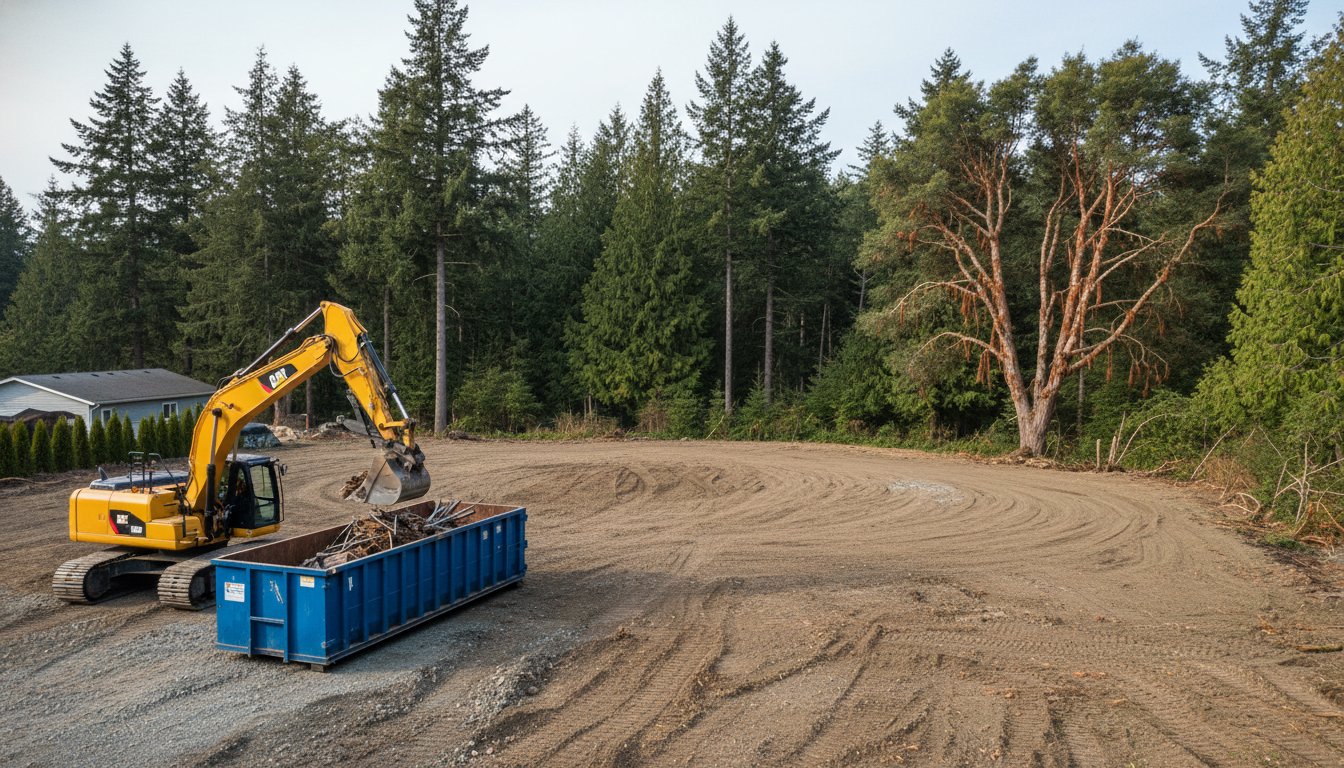

Most property owners think pulling down an old structure is the hard part, but the real challenge of mobile home demolition cost lies in what happens after the walls come down. You likely want that old unit gone so you can finally start your new construction or enjoy a clear view, yet the thought of hidden landfill surcharges and complex BC permit rules feels like a major headache. It's completely normal to worry about potential asbestos discovery or heavy machinery accidentally tearing up your landscaping during the process.
A double-wide unit isn't just twice the size of a single-wide; it's twice the logistics. These units are often joined by heavy steel frames that require specific tools to separate safely. Beyond the main walls, you need to look at attached structures. Decks, awnings, and carports add significant labor time because they must be dismantled before the main unit is tackled. If the interior is full of abandoned furniture or trash, you'll also need to factor in professional junk removal services. To understand how experts handle bulky items, you can learn more about Furniture Removal and how it streamlines the site preparation process. Clearing out a unit filled with debris takes more time and results in higher disposal fees at the landfill.
We understand that you need a reliable partner who handles the heavy lifting and disposal without the stress. This guide will help you plan a seamless project by explaining the real factors that drive your final bill, from navigating permit fees in cities like Burnaby and Vancouver to meeting the latest WorkSafeBC asbestos requirements. You'll discover how to manage the logistics of waste streams and hazardous materials while ensuring your property is left clean and ready for its next chapter. We'll walk you through the essential steps to ensure your demolition is handled safely, legally, and with total transparency from start to finish.
What Goes Into the Cost of Mobile Home Demolition?
Many property owners assume a quick square-foot calculation will give them the final number for their project. It doesn't work that way. The Demolition process for a mobile home involves much more than just a wrecking ball hitting a wall. You have to account for structural teardown, careful debris sorting, and the final site clearing to make sure the land is usable again. While a standard estimate might cover the basics, it often ignores the reality of logistics and disposal fees.
The biggest surprise for many owners is the gap between "knocking it down" and "hauling it away." Simply flattening the structure is the fast part. The heavy lifting comes from loading tons of metal, wood, and insulation into bins and transporting them to the right facilities. Your total mobile home demolition cost will always reflect the weight and volume of these materials. Additionally, the age of your unit plays a massive role. In British Columbia, structures built before the early 1990s require a hazardous materials survey by law. If materials like asbestos are found, the disposal process becomes much more technical and labor-intensive to meet safety standards.
To better understand how these unexpected factors can change your project scope, watch this helpful video:
Structural Size and Complexity
A double-wide unit isn't just twice the size of a single-wide; it's twice the logistics. These units are often joined by heavy steel frames that require specific tools to separate safely. Beyond the main walls, you need to look at attached structures. Decks, awnings, and carports add significant labor time because they must be dismantled before the main unit is tackled. If the interior is full of abandoned furniture or trash, you'll also need to factor in professional junk removal services. Clearing out a unit filled with debris takes more time and results in higher disposal fees at the landfill.
The Role of Site Accessibility
Your property's layout is a major factor in the final bill. If the home is right next to a paved road, heavy machinery can get in and out quickly. However, if the unit is tucked behind trees or sitting on soft ground, the team might need specialized equipment to avoid property damage. We focus on protecting your surrounding landscape, which sometimes requires using smaller machines or laying down protective mats. The distance to the nearest regional landfill or recycling center also matters. Long haul times for multiple dump truck loads will naturally increase the time required to clear your site completely.
The Major Factors That Drive Your Project Estimate
Calculating a realistic mobile home demolition cost requires looking at several moving parts. It is more than just a single labor fee; you must account for the crew's time, the heavy equipment brought to your site, and the legal paperwork required by your city. Professional structural dismantling ensures the job is done safely, but the hours required depend on how the unit was built. For instance, a unit with custom additions or reinforced roofing takes longer to take apart than a basic model. Equipment mobilization fees also apply because we have to transport specialized excavators or skid steers to your location.
Municipal permit fees are a fixed part of your budget that varies by location. In Burnaby, a demolition permit for a single-family structure costs $383.00, while Vancouver charges $469.00 for permits subject to green demolition conditions. These fees are set by the city and must be paid before any work starts. When deciding how to proceed, some owners consider Deconstruction vs. Demolition. While deconstruction is a slower process that focuses on salvaging materials, traditional demolition is usually the faster choice for clearing a site for new construction.
One detail often missed in standard quotes is the interior state of the home. If the unit is filled with abandoned furniture, old mattresses, or general trash, this adds significant weight and labor to the project. We include professional junk removal as part of our assessment to ensure the structure is empty before the main teardown begins. This preparation prevents the demolition from becoming a messy, unorganized process and helps keep your final bill predictable.
Disposal and Landfill Tipping Fees
Landfills in British Columbia charge based on the weight and the type of material you bring in. Mixed waste loads are the most expensive option because the landfill staff must sort the materials themselves. You can save money by having your contractor sort wood, metal, and general debris at the site. This organized approach ensures you aren't paying premium "mixed" rates for materials that could have been recycled or disposed of at a lower cost.
Hazardous Materials and Asbestos
As of January 1, 2024, all asbestos abatement contractors in British Columbia must be licensed by WorkSafeBC. If your mobile home was built before the early 1990s, a hazardous materials survey is legally required before any work starts. Asbestos is often found in old floor tiles, wall insulation, and roofing materials. If testing confirms the presence of hazardous materials, the project timeline will shift to allow for safe, certified removal and specialized disposal in double-bagged, labeled containers.
Demolition vs. Deconstruction: Choosing Your Method
Choosing between traditional demolition and deconstruction is a major decision that shapes your timeline and final mobile home demolition cost. Mechanical demolition uses heavy machinery like excavators to flatten the structure in a matter of hours. It's an efficient and direct way to clear a lot. On the other hand, manual deconstruction involves taking the home apart piece by piece. This method is slower but allows you to save materials that would otherwise end up in a landfill, potentially lowering your total disposal weight.
A hybrid approach often works best for many BC property owners. This involves manually removing high-value items or hazardous materials first, then using machines for the heavy structural work. If your property has tight boundaries or sensitive landscaping, a more manual approach prevents accidental damage to the surrounding area. Heavy machines require a wide "swing zone" and stable ground, which isn't always available in crowded mobile home parks or on lots with soft soil.
The EPA emphasizes the value found in the deconstruction of abandoned mobile homes as a way to keep reusable materials out of the waste stream and recover valuable resources. By choosing to salvage, you aren't just being environmentally responsible; you're also managing the total weight of your debris. Since landfill fees are based on tonnage, every pound of metal or wood you recycle is a pound you don't have to pay to dump.
When Speed is the Priority
Mechanical demolition is the go-to choice when you need a lot cleared for new construction immediately. A professional crew using a skid steer or excavator can often complete a full teardown in a single day. This method requires clear site access and a focus on safety, especially when working near power lines or neighboring structures. It's the most straightforward path to a clean lot, provided you've already handled the necessary hazardous material testing and permit filings required by your local municipality.
When Budget and Salvage Matter
If you're looking to offset your mobile home demolition cost, manual sorting is your best tool. Many older units contain significant amounts of aluminum siding, copper wiring, and steel frames. These materials can be sold to local scrap yards to help balance your project expenses. Similarly, for those clearing property in other regions, services like sellyourjunkcarsatlanta.com provide a way to get cash for scrap cars. Beyond the cash back, deconstruction significantly reduces the weight of your general waste loads. By separating recyclable wood and metal from non-recyclable insulation and drywall, you avoid the high "mixed waste" surcharges common at regional landfills throughout British Columbia.
Navigating Local Regulations and Permits in BC
Navigating the specific rules for Duncan, Nanaimo, and the surrounding regions is a vital part of your project planning. Every municipality on Vancouver Island has its own fee structure and requirements that must be met before any structural work begins. For instance, the permit process in the Cowichan Valley might differ significantly from the requirements in the Regional District of Nanaimo. These administrative expenses are a fixed part of your total mobile home demolition cost, and failing to secure the right paperwork can lead to costly delays or fines. We manage the entire permit application process to ensure your project stays on schedule and follows every local bylaw.
Choosing professional demolition services ensures that permit management is handled by experts who understand local government workflows. JBM Custom Contracting coordinates directly with BC Hydro and municipal water services to manage utility shut-offs and line capping. Working with a fully insured and certified contractor is the only way to guarantee that the work meets provincial safety standards. This protection is essential for property owners because it covers potential liabilities that could occur during the structural teardown. Our team arrives prepared with the right credentials to give you peace of mind throughout the entire process.
Regional District Disposal Rules
Regional districts across the island have strict landfill bans on specific materials like gypsum and certain hazardous wastes. You need clear documentation to prove that these items were separated and disposed of at the correct authorized facilities. JBM Custom Contracting handles all the municipal filing and disposal paperwork to keep your project compliant. This level of thoroughness prevents legal headaches and ensures your land is ready for its next use without any outstanding environmental issues or surprise penalties from local waste authorities.
Utility and Service Disconnections
Capping sewer and water lines properly is a technical task that requires professional oversight to avoid contaminating municipal systems. If these lines are not sealed according to local standards, you could face environmental penalties or damage to the broader infrastructure. Electrical decommissioning is equally important to prevent fire hazards during the structural teardown. Attempting a DIY utility disconnection is a major safety hazard and a legal liability. Professional service ensures that your property is left in a safe state, with all connections properly terminated and documented for your records.
For a professional assessment of your site and a clear plan for your project, contact us for our expert demolition services today.
Why Professional Demolition is a Smarter Investment
Choosing a professional team is about more than just hiring equipment; it is about protecting your long-term investment in the property. While some suggest a DIY approach with basic tools, the physical toll and potential for property damage often inflate the actual mobile home demolition cost far beyond the price of a professional quote. A professional crew ensures "Total Site Restoration," meaning your land isn't just cleared of a structure, but is truly ready for immediate redevelopment without leftover debris buried in the soil. This clean slate is what allows you to move forward with your landscaping or construction plans without delay.
Integrating junk removal services into the project plan is a key part of this efficiency. By clearing out abandoned items before the machines arrive, we prevent household waste from contaminating the recyclable materials of the home's shell. This level of organization provides peace of mind through comprehensive insurance coverage and strict safety protocols that no DIY attempt can match. You avoid the risk of personal injury and the liability of accidental damage to neighboring structures, which are common pitfalls for unmanaged projects.
The JBM Custom Contracting Approach to Property Maintenance
We offer a seamless transition between various site needs by integrating our concrete removal services. If your old unit sat on a cracked pad or was surrounded by decaying walkways, we can clear those out alongside the main structure. Our local expertise across the Nanaimo area means we understand the specific terrain and soil conditions of Vancouver Island. This ensures your site is left clean, safe, and perfectly graded for its next use, whether that is a new garden or a modern manufactured home.
Next Steps for Your Demolition Project
To prepare for a professional estimate, gather details about the unit's age and any known additions like attached decks or carports. The timeline from your initial consultation to a fully cleared property is usually shorter than most owners expect when the logistics are handled correctly. When you are ready for a personalized quote for mobile home removal, reaching out to a professional for an on-site assessment is the best way to ensure your project stays on track. Taking this step now helps you avoid the hidden costs of poor planning and ensures your property restoration is handled with precision.
Take the Next Step Toward a Clear and Ready Lot
Managing a mobile home demolition cost involves more than just tearing down walls. It requires a clear strategy for waste disposal, permit management, and hazardous material safety. You now understand that professional oversight ensures your property meets all BC regulations while protecting your surrounding landscape from damage. By choosing an expert team, you avoid the physical toll and legal risks of a DIY project. This leaves you with a clean site that is ready for new construction or landscaping.
We are certified and fully insured, providing peace of mind to property owners while serving Nanaimo to Qualicum Beach. As expert site restoration specialists, we handle the heavy lifting and technical paperwork so you don't have to. Our focus is always on delivering a safe, efficient, and transparent process that respects your budget and your timeline.
Ready to transform your property? Get Your Professional Mobile Home Demolition Estimate today. We look forward to helping you clear the way for your next big project and ensuring your land is in the best possible hands.
Frequently Asked Questions
Do I need a permit to demolish a mobile home on my own property?
Yes, you need a demolition permit from your local municipality before any work begins on your property. Every city in British Columbia has specific bylaws and fee structures for these permits. Obtaining the proper paperwork ensures your project is legal and helps you avoid potential fines. We manage this application process for our clients to ensure every step is compliant with local building departments.
How long does the average mobile home demolition take?
A standard mobile home demolition typically takes between one and three days to complete from start to finish. The actual structural teardown often happens in a single day, while the remaining time is spent sorting debris and hauling it to the landfill. Factors like site accessibility and the amount of interior junk can affect this timeline. Our team works efficiently to clear your lot as quickly as possible.
Can I save money by removing the interior furniture and junk myself?
You can lower your mobile home demolition cost by clearing out furniture and personal belongings before the crew arrives. Removing heavy items like old mattresses or appliances reduces the total weight of the debris sent to the landfill. Since disposal fees are based on tonnage, this preparation can lead to noticeable savings. If you don't have the time, professional junk removal services can handle it for you.
What happens if asbestos is found during the demolition process?
If asbestos is discovered, all demolition work must stop immediately to ensure the safety of the crew and the environment. Under British Columbia regulations effective January 1, 2024, only licensed abatement contractors can handle and remove hazardous materials. Once the site is professionally cleared and certified as safe, the standard demolition process can resume. This step is critical for staying compliant with WorkSafeBC requirements and protecting your land.
Is it possible to move the mobile home instead of demolishing it?
Moving a mobile home is possible if the structure is stable enough to withstand the stress of transport. However, many older units are too fragile for a move or do not meet current building codes for new locations. If the cost of transport and site preparation exceeds the value of the home, professional demolition is usually the more practical and cost-effective choice for clearing the land for new use.
Will the demolition process damage my existing driveway or yard?
Professional contractors use specific techniques and equipment to protect your driveway and yard from heavy machinery damage. We use protective mats for our equipment and select the right machine size for your specific lot layout. While some minor ground disturbance is normal during a teardown, our goal is to leave your property in excellent condition and ready for your next landscaping or construction project without unnecessary damage.
What is the difference between a mobile home and a manufactured home for demolition?
The main difference lies in the age of the structure and the building codes used during construction. Mobile homes generally refer to units built before 1976, while manufactured homes follow more modern standards. For demolition purposes, both require similar permits and disposal methods. However, newer manufactured homes are often larger or double-wide, which can impact the total labor and disposal volume required to clear the site completely.
How do I ensure all utilities are safely disconnected before work starts?
Safely disconnecting utilities requires coordination with BC Hydro, your local water department, and gas providers. These services must be professionally capped and decommissioned at the source to prevent leaks or electrical hazards during the teardown. We handle the coordination with these utility companies to ensure every connection is safely terminated and documented before our heavy machinery begins the structural removal process on your property.