
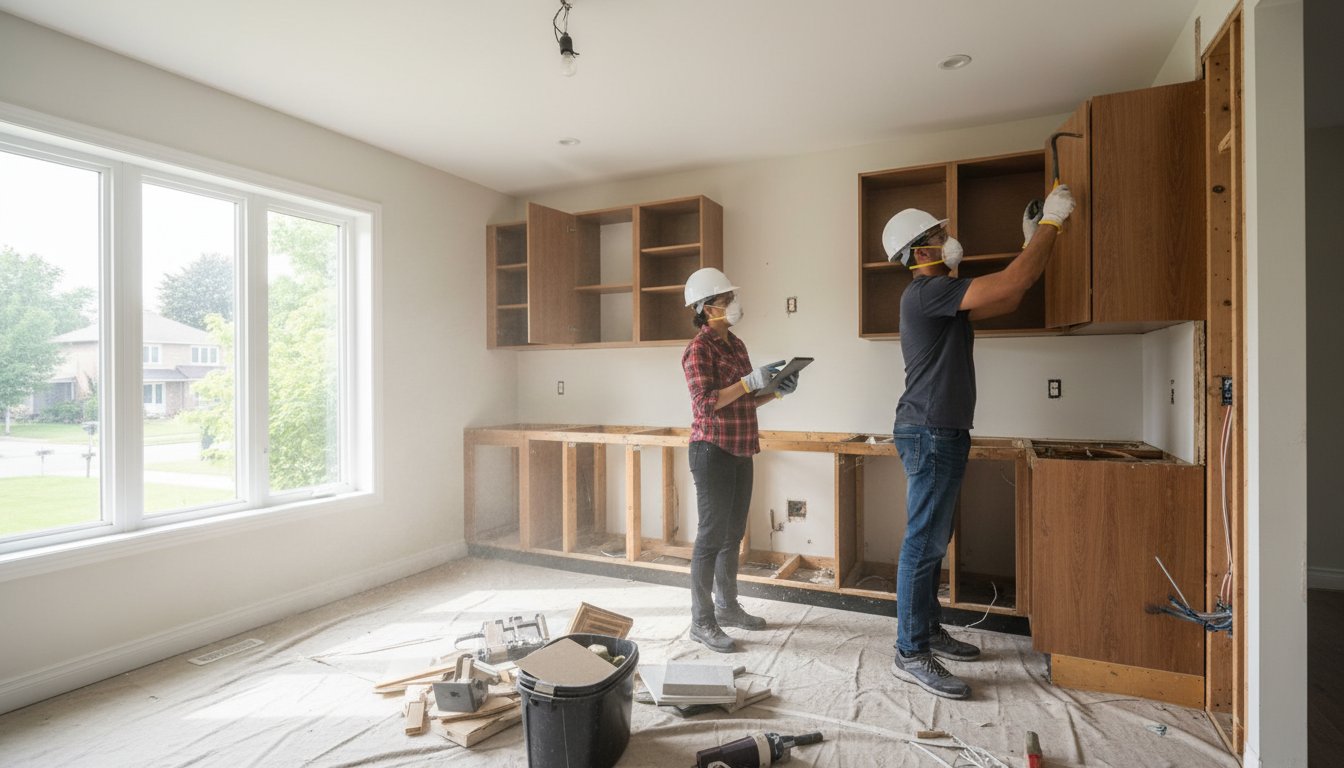

The vision for your dream remodel is exciting, but the first step-demolition-can feel overwhelming. Concerns about damaging your home’s structure, dealing with overwhelming dust, and uncovering hidden costs can quickly turn that excitement into anxiety. A successful renovation, however, is built on a solid foundation, and that begins with a professional and well-planned approach. Properly managing the interior demolition for remodel is the critical first step to ensuring your project is safe, efficient, and stays on budget.
Finally, the true transformation of your newly cleared space happens during the finishing stages. For a professional finish that complements high-quality materials, many homeowners look to expert painting services. Even if you are researching from abroad, companies like My Paint Job Singapore demonstrate the precision and quality required to turn a "blank canvas" into a beautiful, finished home.
This complete guide is designed to give you the confidence to start your project right. We will walk you through the essential steps, from initial planning and safety measures to managing debris and understanding the true costs in Canadian Dollars (C$). You'll gain a clear understanding of the full process, learn how to make an informed decision between DIY and hiring professionals, and ensure you have a clean, perfectly prepared space ready for your contractors. Let’s get started.
Key Takeaways
- Learn the critical difference between selective interior demolition and complete structural demolition to properly define your project's scope.
- Discover how a thorough demolition plan acts as a blueprint to prevent costly mistakes and ensure an efficient, on-budget start to your renovation.
- A successful interior demolition for remodel follows a systematic process that prioritizes safety, dust containment, and responsible debris disposal.
- Evaluate whether to DIY or hire a professional by weighing the true costs, including your time, safety risks, and the tools required for the job.
What is Interior Demolition? The First Step to a New Space
Before you can build your dream kitchen or bathroom, you first need a clean slate. This is where interior demolition comes in. Unlike the large-scale process of complete building Demolition, interior demolition is a precise and selective process focused on removing only specific non-structural components inside a building. It’s not about destruction; it’s a methodical and skilled service designed to prepare a space for renovation. A professionally executed interior demolition for remodel is the essential foundation for a high-quality and successful project, ensuring that your new construction begins on solid ground.
To see this careful process in action, watch this helpful overview:
Selective vs. Gut-to-the-Studs Demolition
The scope of your project determines the approach. Selective demolition is a surgical process where only specific elements are removed, such as kitchen cabinets, a non-load-bearing wall, or old flooring, while the rest of the room is protected and preserved. In contrast, a gut-to-the-studs demolition is more extensive, involving the removal of all interior finishes-including drywall, insulation, and flooring-to expose the structural framing. This "blank slate" approach is ideal for complete reconfigurations, addressing hidden issues like mould, or updating old plumbing and electrical systems.
Common Remodeling Projects Requiring Demolition
Nearly every major renovation begins with a demolition phase. Having this work done safely and efficiently is critical to keeping your project on schedule and on budget. Common projects include:
- Kitchen Remodels: The complete removal of old cabinets, countertops, backsplashes, flooring, and soffits to prepare for a new layout.
- Bathroom Renovations: Tearing out bulky tubs, shower surrounds, tile, vanities, and sometimes walls to reconfigure the space.
- Basement Finishing: Removing dated wood paneling, drop ceilings, and old carpeting to create a modern, usable living area.
- Open-Concept Living: Taking down non-load-bearing walls that divide the kitchen, dining, and living rooms to create a more open and connected floor plan.
Planning Your Demolition: The Blueprint for a Smooth Project
A successful remodel begins long before the first hammer swings. Proper planning is the most critical phase of any interior demolition for remodel, serving as the blueprint that prevents costly mistakes, budget overruns, and dangerous accidents. A thorough and well-documented plan establishes a clear timeline and scope, ensuring every step is executed safely and efficiently from start to finish.
Assessing the Scope: What Stays and What Goes?
Before you pick up a tool, you need a precise inventory of what is being removed and what is staying. This clarity prevents accidental damage to features you intend to keep and ensures the project aligns with your vision. Start by creating a detailed, room-by-room list of every element slated for removal-from flooring and drywall to cabinets and light fixtures. Use painter's tape or a non-permanent marker to clearly label walls, outlets, and fixtures. This is also the perfect time to identify any materials or fixtures, like solid wood doors or vintage hardware, that can be salvaged, resold, or donated.
Identifying Load-Bearing Walls and Utilities
This step is where safety becomes paramount. A load-bearing wall supports the structural weight of your home; removing one without proper reinforcement can lead to catastrophic failure. Always consult a structural engineer or a professional demolition contractor before altering any wall. Equally important is locating all electrical, plumbing, and HVAC lines within the demolition zone. Professionals are trained to identify these systems and adhere to strict safety protocols, like the OSHA demolition safety standards, to prevent life-threatening injuries. Before any work begins, ensure water, gas, and electricity to the area are completely shut off at the source.
Using clear safety decals to mark these utilities and hazardous zones is a best practice. For those planning a project and considering all safety aspects, it can be helpful to see examples of professional worksite signage; for this, you can visit Graphic Cabin.
Budgeting for Demolition: Costs to Consider
With a clear scope, you can build a realistic budget. The cost of an interior demolition project in Canada is influenced by several key factors. A reliable budget accounts for both the expected and the unexpected.
- Labor and Expertise: The primary cost is often labor. Factor in the rates for professional contractors who bring efficiency and safety to the job.
- Disposal Costs: Renting a disposal bin is essential for debris management. In Canada, this can cost several hundred dollars (C$), depending on the size of the bin and the rental duration.
- Contingency Fund: It is wise to set aside 10-15% of your budget for surprises. Uncovering asbestos, mould, or pest damage is common in older homes and requires specialized, often costly, professional remediation.
Beyond the demolition budget, financing the entire renovation is a critical planning step. For homeowners exploring how to fund their project, financial services firms specializing in real estate can provide tailored solutions. For instance, companies like Icon Capital LLC offer a variety of loan programs designed to help cover the costs of a remodel from start to finish.
The Professional Demolition Process: A Step-by-Step Breakdown
Unlike the chaotic scenes you might see on TV, a professional interior demolition for remodel is a precise and systematic process. At JBM Custom Contracting, we approach every project with a clear, multi-phase plan designed to ensure safety, efficiency, and a perfectly clean slate for your renovation. This methodical approach minimizes disruption and sets the stage for a successful build.
Phase 1: Site Preparation and Safety Measures
Before any walls come down, our first priority is containment and safety. We meticulously protect your home by covering floors, furniture, and fixtures in adjacent rooms with heavy-duty plastic sheeting. The work area is sealed off to create a negative air pressure environment, which prevents dust and debris from migrating throughout your property. This critical preparation step also involves reviewing a site for potential hazards and adhering to strict environmental and safety requirements, a crucial consideration in many older Canadian homes. Our process includes:
- Setting up powerful air scrubbers and fans for proper ventilation.
- Sealing vents and doorways to control dust flow.
- Ensuring all team members are equipped with appropriate Personal Protective Equipment (PPE), including masks, goggles, and gloves.
Phase 2: Systematic Removal of Materials
With the site secured, we begin the deconstruction process in a strategic order. We start with the removal of salvageable or delicate items like light fixtures, appliances, cabinetry, trim, and doors. Next, we move on to surface materials such as drywall, flooring, and ceilings. Removing tile or stubborn backsplashes is done carefully to minimize damage to the underlying structure. Finally, non-load-bearing walls are deconstructed safely, stud by stud, leaving a clean and structurally sound space ready for the next phase of your remodel.
This careful removal prepares the space for new installations. For specialized items like doors, which are crucial for security and aesthetics, homeowners often turn to dedicated professionals for the next phase. For instance, a service like Liberty Door Repair exemplifies the type of expertise needed for professional door installation after a remodel's demolition stage is complete.
Phase 3: Debris Management and Final Cleanup
An organized job site is a safe and efficient one. Throughout the demolition, we sort materials for disposal and recycling, separating wood, metal, and drywall whenever possible. This responsible approach ensures that waste is managed properly. Once all materials are removed, we perform a thorough final cleanup. The area is swept, and high-powered vacuums are used to capture any remaining dust and small debris. At JBM, we handle this entire process from start to finish, offering reliable junk removal to ensure all demolition debris is cleared away, leaving you with a pristine site ready for transformation.
DIY vs. Hiring a Pro: Making the Right Call for Your Remodel
One of the biggest questions homeowners face is whether to handle demolition themselves or hire a professional. While the idea of saving money with a DIY approach is tempting, the decision should always be framed around safety, time, and risk. A mistake during demolition can lead to costly repairs, project delays, or even serious injury. This framework will help you make a confident and responsible choice.
When to Consider DIY Demolition
For handy homeowners with the right tools and a solid plan, some smaller tasks are manageable. You might consider a DIY approach for:
- Small, cosmetic jobs: This includes tasks like pulling up old carpet, removing a bathroom vanity, or taking down non-structural trim and baseboards.
- No structural or utility changes: If the project doesn't involve moving walls, electrical wiring, or plumbing lines, the risks are significantly lower.
- You have the right gear: You must have proper personal protective equipment (PPE), the correct tools, and the physical ability to perform the work safely.
- A clear disposal plan: You know how you will manage and legally dispose of all the debris generated.
Red Flags: When You Absolutely Need a Professional
Certain situations carry significant risks and require certified expertise. Always hire a professional contractor if your project involves:
- Hazardous materials: If you suspect the presence of asbestos, lead paint, or mold in your home, professional testing and abatement are critical for your family's safety.
- Wall removal: Never remove a wall without a professional assessment. Accidentally damaging a load-bearing wall can compromise your home's structural integrity.
- Electrical or plumbing work: Any demolition involving live wires or active plumbing requires licensed professionals to avoid fire, electrocution, or major water damage.
- Large-scale projects: A full gut job or any major interior demolition for remodel creates a large volume of debris and requires a level of efficiency that only a professional crew can provide.
For a clear idea of how a professional approach to demolition sets the stage for high-end remodeling and home additions, the project portfolio at regulus-construction.com offers some excellent examples, even for those planning projects outside of the Massachusetts area.
This principle of hiring experts extends to all significant home renovations, including those on the exterior. Just as you'd want an interior specialist for demolition, finding a dedicated professional for siding or other external work is crucial. For example, companies like Divine Homes Exteriors showcase the kind of specialized expertise homeowners should look for when planning major projects.
Likewise, sourcing high-quality materials for the rebuilding phase is just as important as the demolition itself. The durability of new installations often comes down to the quality of underlying products like industrial adhesives and construction chemicals. For homeowners planning ahead for the construction phase, it can be useful to explore what specialized suppliers offer; as an example of a dedicated manufacturer, you can visit Thika Wax Works Ltd.
For renovations that call for distinct wood features like custom shelving, beams, or countertops, finding the right lumber is a crucial step after demolition. To understand more about sourcing quality wood and what to look for, you can read more.
The JBM Advantage: Benefits of a Professional Contractor
Choosing a professional for your interior demolition for remodel ensures the first phase of your project is done right. At JBM Custom Contracting, we provide peace of mind through our professional, reliable services. Our team brings the expertise to avoid structural damage, complete the job efficiently, and use the proper equipment for every task. As a certified and fully insured company, we take on all the risk and handle the entire cleanup process, leaving you with a clean, safe slate ready for the next step. Contact us to ensure your remodel starts on a solid foundation.
Build Your Dream Space on a Solid Foundation
As this guide has shown, demolition is far more than just destruction-it’s the critical first step that sets the stage for your entire renovation. From meticulous planning to deciding between a DIY approach and professional service, each choice impacts the final outcome. A successful interior demolition for remodel ensures your project begins safely, efficiently, and without costly setbacks.
To guarantee a flawless foundation for your new space, partnering with an expert team is the most reliable path forward. At JBM Custom Contracting, we deliver the Professional & Reliable Service your project deserves. As a Certified & Fully Insured company, we manage every job with an unwavering commitment to Safety and Precision, leaving you with a clean, perfectly prepped site.
Ready to start your remodel the right way? Book your professional demolition consultation with JBM. Let us clear the way for your vision and create the perfect blank canvas for the home you’ve always imagined.
Frequently Asked Questions About Interior Demolition
How much does interior demolition cost per square foot?
In Canada, the cost for professional interior demolition typically ranges from C$5 to C$15 per square foot. This price can be influenced by several factors, including the removal of load-bearing walls, the complexity of disconnecting plumbing and electrical systems, and the potential for hazardous material abatement like asbestos. For a precise and reliable estimate tailored to your project, we recommend a professional on-site consultation.
How long does it take to demolish a standard kitchen or bathroom?
A standard kitchen or bathroom demolition can usually be completed efficiently in 1 to 3 days. The exact timeline depends on the size of the space, the number of fixtures and appliances to be removed, and whether any materials are being carefully salvaged for reuse. Our professional team works diligently to ensure your space is cleared safely and prepared for the next stage of your renovation with minimal disruption to your home.
What are the biggest safety risks involved in interior demolition?
The most significant safety risks include compromising structural integrity by altering load-bearing walls, encountering live electrical wiring or pressurized plumbing lines, and exposure to hazardous materials. Older Canadian homes may contain asbestos or lead-based paint, which require specialized handling and disposal. Hiring a certified and insured professional is the most reliable way to manage these risks and ensure the project is completed safely and correctly.
Can I salvage materials like cabinets, doors, or flooring during demolition?
Absolutely. Salvaging materials is a common goal during an interior demolition for a remodel. Items like solid wood cabinets, doors, hardwood flooring, and unique fixtures can often be carefully removed for reuse or donation. This process requires a more delicate approach than standard demolition, but it is an excellent way to reduce waste and potentially offset renovation costs. Clear communication with your demolition team is key to achieving this successfully.
How do professionals control the immense amount of dust created?
We use a systematic approach to ensure dust is contained. This involves sealing off the work area from the rest of your property with heavy-duty plastic sheeting and creating negative air pressure with industrial-grade air scrubbers. We also employ dust-suppression techniques, such as wetting down materials like drywall before removal, to minimize airborne particles. Our commitment is to leave your property clean and safe upon completion.
Do I need a permit for interior demolition for a remodel?
Whether you need a permit depends on the scope of the work and your local Canadian municipality. Generally, a permit is required if the demolition affects the building's structure, such as removing walls. For non-structural work like taking out cabinets or flooring, a permit is often not necessary. As a professional contractor, we handle the process of verifying local bylaws and securing any required permits on your behalf.